# 297 / Editorial
In this issue of K.
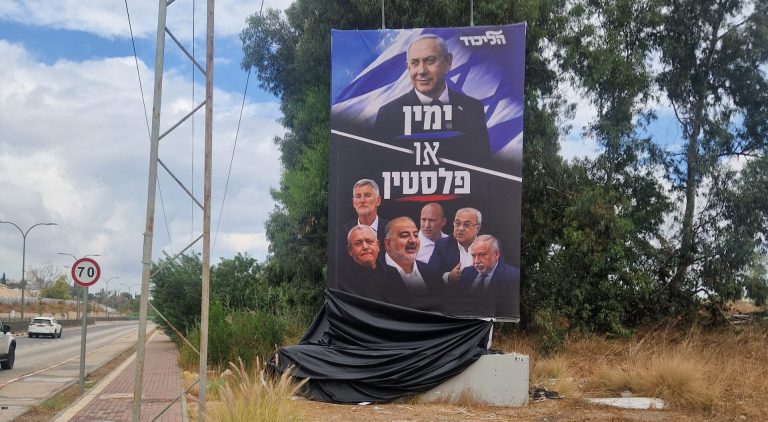 The Second Round: Victory Without a Majority, a Majority Without VictoryDavid Chemla
 Interview: Fauda after 7 OctoberElie Petit
 Chapoutot’s Godwin momentJoël KotekThe Second Round: Victory Without a Majority, a Majority Without VictoryDavid Chemla→ David Chemla, The Second Round: Victory Without a Majority, a Majority Without Victory
For David Chemla, who had already mapped out the possible electoral scenarios in K. two weeks ago, what is now opening up in Israel amounts to a “second round”. After a record turnout, it remains to be seen what the parties gathered around Eisenkot will do on the legislative front in the coming weeks. In Israel, Parliament can indeed pass laws without a Prime Minister having been appointed. The question of the government and its majority can therefore be entirely separated from that of the Knesset’s legislative activity, and the parties of the outgoing opposition may well seize this opportunity without waiting to form an official coalition. David Chemla explains what is at stake in such parliamentary activity and the obstacles that Netanyahu and his coalition could still put in its way.
Interview: Fauda after 7 OctoberElie Petit→ Elie Petit, Interview: Fauda after 7 OctoberIn the autumn of 2023, the fifth season of Fauda was already being written when 7 October upended its script. Its producer, Liat Benasuly, and Omri Givon, the season’s director and the writer of episodes 7 and 8, spoke to Elie Petit. They describe how the series sought to give form to the trauma of Israelis and to their perception of the world since 7 October. In doing so, they explain why Fauda, which until then had made a point of giving voice to “both sides”, chose this time to explore the temptation of revenge.
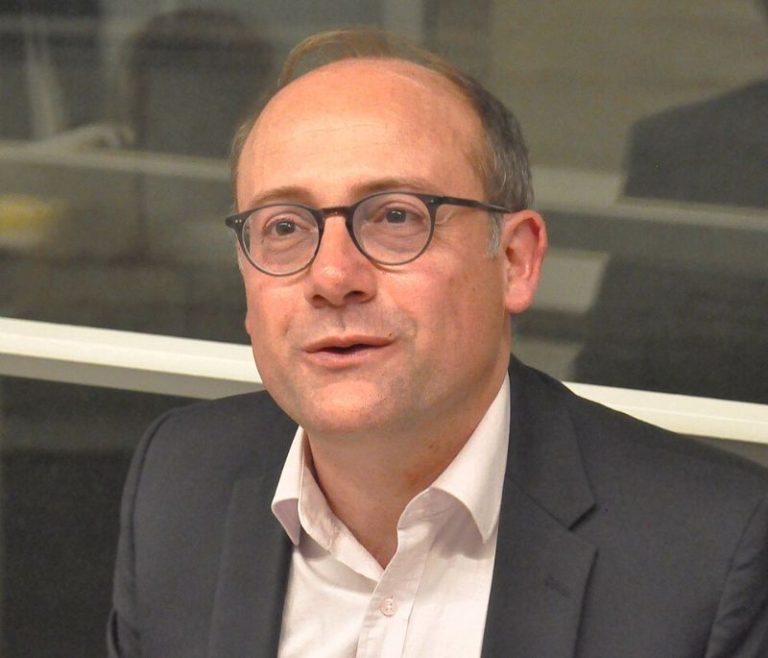
Chapoutot’s Godwin momentJoël Kotek→ Joël Kotek, Chapoutot’s Godwin momentIn France, the historian Johann Chapoutot traces strange lineages. Author of the preface to Hitler’s American Model, in which the legal scholar James Q. Whitman argues that the Nuremberg Laws drew inspiration from American race law, he defends in his own work the reverse lineage, this time making certain practices of Western management a legacy of Nazism. He then draws on the story of Hitler’s rise to power, in January 1933, to shed light on Emmanuel Macron’s France. Joël Kotek, pulling on the thread of these historical comparisons, uncovers a single method: turning resemblances into lineages, and analogies into explanations. The target, for its part, never changes: it is liberal modernity. These comparisons sketch a political reading of the present in which liberalism appears as the accomplice of fascism. Analysing this reasoning, Kotek highlights one consequence that he finds particularly worrying: by making fascism an instrument of capitalism, and the left the camp whose universalist virtues are assured a priori, Chapoutot makes left-wing antisemitism impossible to recognise and, consequently, to combat.
The editors of K.
In this issue of K.
Read The Second Round: Victory Without a Majority, a Majority Without Victory · David ChemlaRead Interview: Fauda after 7 October · Elie PetitRead Chapoutot’s Godwin moment · Joël KotekSo it is to Gadi Eisenkot that Isaac Herzog, the President of the State of Israel, handed the mandate on Sunday to form the next government. A majority exists on paper; that does not yet make a coalition. As Michael Brenner and Danny Trom showed last week, it cannot do without the Arab parties. Yet these parties, whom Netanyahu is working hard to disqualify, would still have to subscribe to the four conditions Gadi Eisenkot has set for anyone wishing to join his government: recognising Israel as a Jewish and democratic state, adhering to the values of the Declaration of Independence, accepting compulsory service for all, whether military, national or civil, and finally recognising Hamas as a terrorist organisation whose military and political power in Gaza must be dismantled.
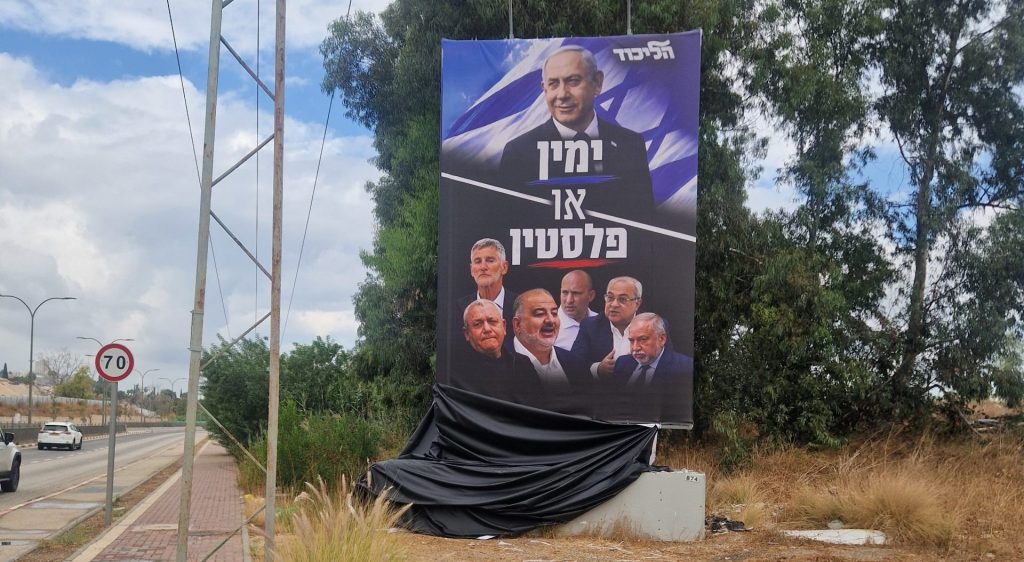
For David Chemla, who had already mapped out the possible electoral scenarios in K. two weeks ago, what is now opening up in Israel amounts to a “second round”. After a record turnout, it remains to be seen what the parties gathered around Eisenkot will do on the legislative front in the coming weeks. In Israel, Parliament can indeed pass laws without a Prime Minister having been appointed. The question of the government and its majority can therefore be entirely separated from that of the Knesset’s legislative activity, and the parties that came out of the opposition may well seize this opportunity without waiting to form an official coalition. David Chemla explains what is at stake in such parliamentary activity and the obstacles that Netanyahu and his coalition could still put in its way.

In the autumn of 2023, the fifth season of Fauda was already being written when 7 October upended its script. Its producer, Liat Benasuly, and Omri Givon, the season’s director and the writer of episodes 7 and 8, spoke to Elie Petit. They describe how the series sought to give form to the trauma of Israelis and to their perception of the world since 7 October. They also explain why Fauda, which until then had made a point of giving voice to “both sides”, chose this time to explore the temptation of revenge.
In France, the historian Johann Chapoutot traces strange lineages. Author of the preface to Hitler’s American Model, in which the legal scholar James Q. Whitman argues that the Nuremberg Laws drew inspiration from American race law, he defends in his own work the reverse lineage, this time making certain practices of Western management a legacy of Nazism. He then draws on the story of Hitler’s rise to power, in January 1933, to shed light on Emmanuel Macron’s France. Joël Kotek, pulling on the thread of these historical comparisons, uncovers one and the same method: turning resemblances into lineages, and analogies into explanations. The target, for its part, never changes: it is liberal modernity. These comparisons sketch a political reading of the present in which liberalism appears as the accomplice of fascism. Analysing this reasoning, Kotek highlights one consequence that he finds particularly worrying: by making fascism an instrument of capitalism, and the left the camp whose universalist virtues are assured a priori, Chapoutot makes left-wing antisemitism impossible to recognise and, consequently, to combat.