Interview: Fauda after 7 October
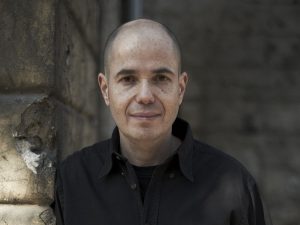
Meeting producer Liat Benasuly and director Omri Givon
Few series have done as much as Fauda to shape, in Israel and abroad, a certain image of the conflict. After October 7, its fifth season, already in writing, was set aside and rebuilt around that day. Its producer and director talk about what it means to turn a national trauma into fiction while the war is still going on, and about the gaze of others: that of the Palestinians on screen, of a Europe seen from Israel, of Arab citizens after the election. What can fiction do once reality has outrun what it once dismissed as unrealistic? How to offer a view of an Israeli society torn between telling its own trauma and still seeing the other side?
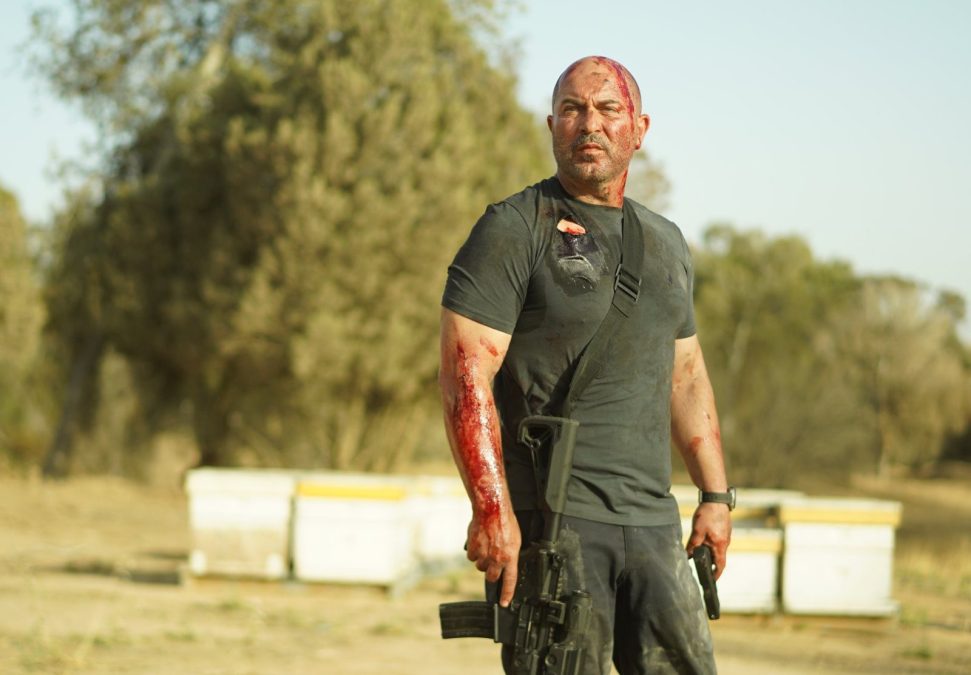
EP: In season three the team pitched an attack like 7 October and rejected it as too unrealistic. Then season five1, which was already in writing, had to be thrown out, the war was going on, and some people close to the series were being hit and hurt. How did you manage to produce this season in this context?
LB: In season three, one of the writers suggested a storyline about people being kidnapped: a small kidnapping of two people, from Israel to Gaza. And we said, “No, no. It’s not normal, it’s too much, it’s not realistic.” Two or three years later, after 7 October, we couldn’t write about anything else. We couldn’t produce anything else. There was another season that we had planned, but obviously we couldn’t use it, because it didn’t seem relevant anymore. So we started thinking about what we were going to do, and a couple of months later the writers regrouped and Omri joined them. Omri is the director of the series, but he also wrote episodes seven and eight, about 7 October. We understood that we had to touch this issue. It’s too big. Even if it was very hard to touch this subject, we understood we had to do it. And I think it was a good decision, because talking about the things that are really bad and really hurt us is part of therapy.
EP: You also had other proposals for a 7 October project, and you chose not to go with them. What made you choose Fauda to express yourself?
LB: Telling the story of 7 October through the eyes of Fauda means telling it through characters you already know and love, and you want to see what they went through on that day. For me, it was obvious to do it. With the other projects that came to me, I felt that the narrative, or maybe just the perspective, was too close to what actually happened, like the projects built on the story of one family. Touching that seemed impossible to me. Because in Fauda we didn’t take real stories: we gathered a great many stories and mixed them together. So in Fauda, it’s a mix between reality and fiction.
EP: How did you work on this? What convinced you that you had found the right tone, and how did you bring the characters into it?
OG: After 7 October, personally, I had no desire to write about it or to do anything, first because everything was on the news 24 hours a day, and I watched a lot of news. I was kind of addicted, every minute, trying to understand what had happened. So I didn’t really understand what I could give, what the added value of a fiction about 7 October would be. I had an offer to join a project about 7 October, and I told them, “It’s not even that it’s too early. I just don’t understand why or how to do it.” And of course this is the most sensitive thing in the world. So I said no.
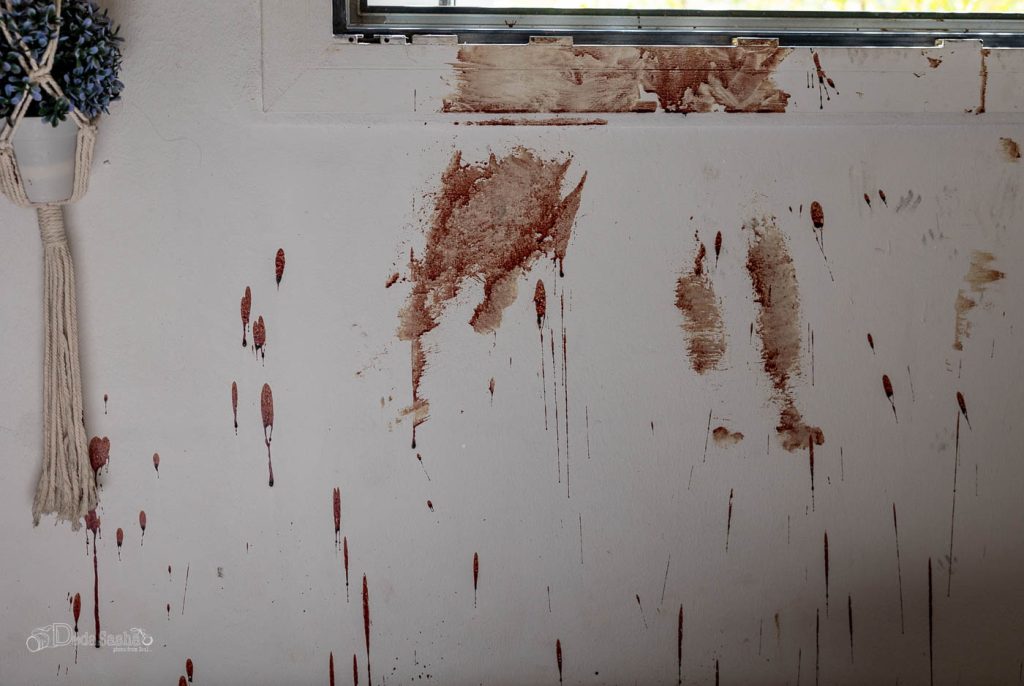
Then I met with Avi, one of the creators2. I asked him how it was going on Fauda, and he said, “We’re rewriting the whole season because of 7 October.” They wanted to do one or two episodes that would be a kind of flashback to that day, to see what happened to the characters. The minute he said it, I thought that if there is a TV show that can, or needs to, deal with 7 October, it’s obviously Fauda. The fact that these are not real characters would, first, make it more emotional, because the audience knows the characters and loves them. And second, it might give the audience the ability to watch these kinds of things, because it’s fiction, but based on true events, very recent historical events. When I got into production, I told them, “Listen, I want to write this episode.” First, because those two episodes are very much director’s episodes: very complicated, a lot of action. And second, I thought, “Okay, if I’m going to touch it, I want to be responsible for it, for good or bad.” Because I was afraid: I didn’t want to minimize the horror, and of course I didn’t want to go too far either, to make a kind of snuff movie. In the end, it took two episodes to tell that day.
“I didn’t want to minimize the horror, and of course I didn’t want to go too far either, to make a kind of snuff movie.”
While I was writing, and while we worked on the season’s story, I always asked myself why we needed those episodes, why do it, why show them. And I pushed in the direction that, from a dramatic angle, this episode should give an answer for the whole season. Not just put in a flashback to 7 October: we needed a reason, so that the audience would understand why we were now cutting to 7 October, and that it was okay. Basically, it’s to understand more of Eli’s story and Doron’s story. We added the whole amnesia that Doron is suffering from. And then it becomes not only “Oh, now we’re doing 7 October”: now we’re going to see the source of the character’s trauma. When I understood that, I understood why I needed to do it for this season. And it put me in a place where I knew what I was doing. I was no longer just illustrating this day. I was following a whole dramatic arc, with Eli, with Doron, with Steve, with Sagi.3.
EP: What did you want to show the world that maybe it didn’t understand about 7 October and its aftermath?
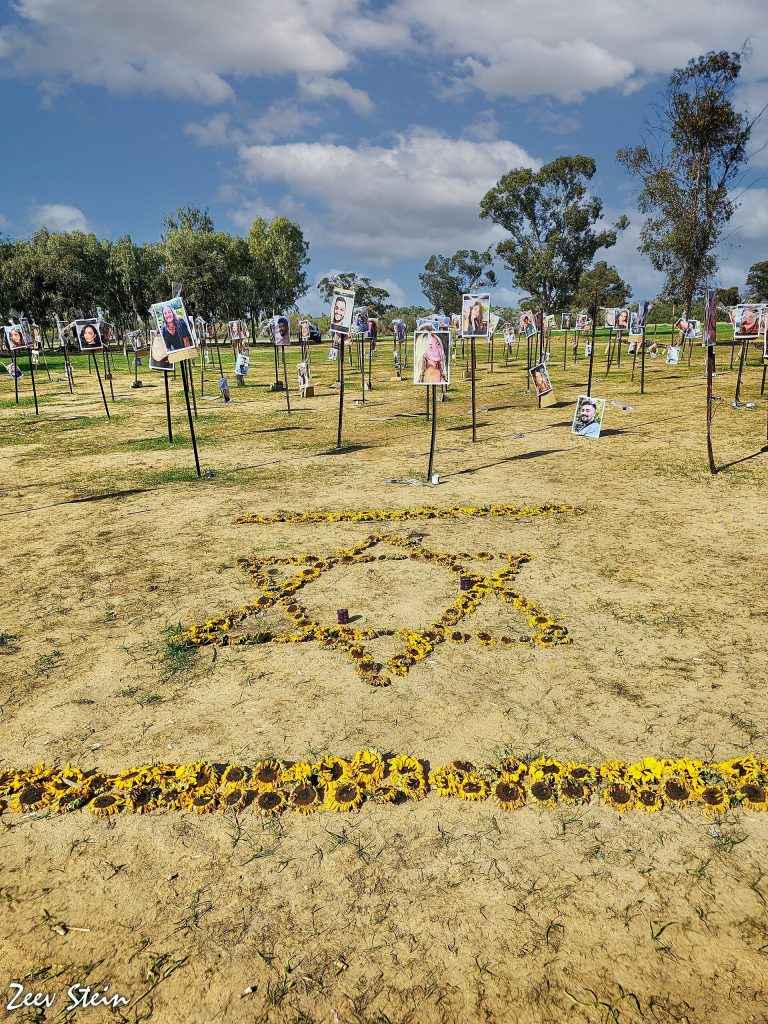
LB: When we look back at these episodes about 7 October, we were speaking first to Israel, and then to the world. In Israel, everyone knows what happened, everyone experienced it. So when we approached it, we didn’t want to hurt people’s feelings, but we said it was important to touch this place of pain. As for the world, I personally felt, and I know a lot of people felt it too, that the world didn’t truly know what happened to us. Soon after 7 October, on 8 or 9 October, we felt the world turned its back on us and started looking only at Gaza. The Israeli narrative had become invisible to most people. And I was convinced that this was the way to show people what happened to us. It wasn’t the only reason for this approach, but we understood that this was a way to show the world, through these characters, what happened to us.
“We saw real evil. We have to say it.”
And we were surprised. We didn’t know it was going to be that big. I was shocked and amazed by how many people didn’t know about 7 October, didn’t know it had happened, except for Jewish and Israeli viewers, obviously. We received and saw messages through social media, Twitter. Twitter was bursting with messages from Germany, Holland, Arab countries. Arab countries knew, of course. But they were curious. We were the most-watched show on Netflix in Lebanon when we launched. I felt people were saying: “We didn’t know it happened like that. We didn’t know about the pain, the murders, the kidnappings.”
EP: But the series doesn’t only express 7 October, of course. And it has two blind spots: Gaza, which is not shown, and the hostages. It is centred on the temptation of revenge. Seen from Europe, one of the reasons the series was appreciated was that it gave room to both narratives, or at least to both sides of the conflict. In this season, this double perspective is less present. Did 7 October, and the isolation of Israelis, lead you to make a different series?
OG: First of all, I want to be clear: there was no decision along the lines of ‘We don’t want to see the other side.’ The shock and the trauma took over. For the first time, the impact on the Fauda characters, who in the end are Israelis like us, was so strong that we naturally wanted to deal with their trauma, as Israelis. Doron, an Israeli, remains the lead character of the series.
We understood very quickly that the story is about the inner conflict, the inner demons, things the other seasons focused on less. We wanted to dive into what happened to Eli, this terrible trauma and nightmare that he’s going through. The story went there, so the point of view of the Israeli characters is wider, and we are less about the narrative of the other side. The second thing is that this season’s lead bad guy is not a Palestinian who lives in Gaza or Jenin. He’s from France, and the whole operation comes from France. So the story of this side is there, but it’s less personal, less complicated than in the other seasons, because I think this character is less complicated.
LB: We saw real evil. We have to say it. This season was much impacted, and I agree with the criticism that this season shows less of the complexity of the other side. Because we’re Israelis, and this is our narrative. And if the other side wants to do a show, they are more than welcome. We wanted to talk about our trauma.
EP: I’d like to talk about the way Europe, and mostly France through Marseille, is perceived in Israel. On screen, the result seems unconvincing, or too caricatured. What led you to write it, and to write it this way? What vision of Europe did you have, and why did you set it in Europe, in France? How did you build this part of the script? It also says something about how Israelis see the world.
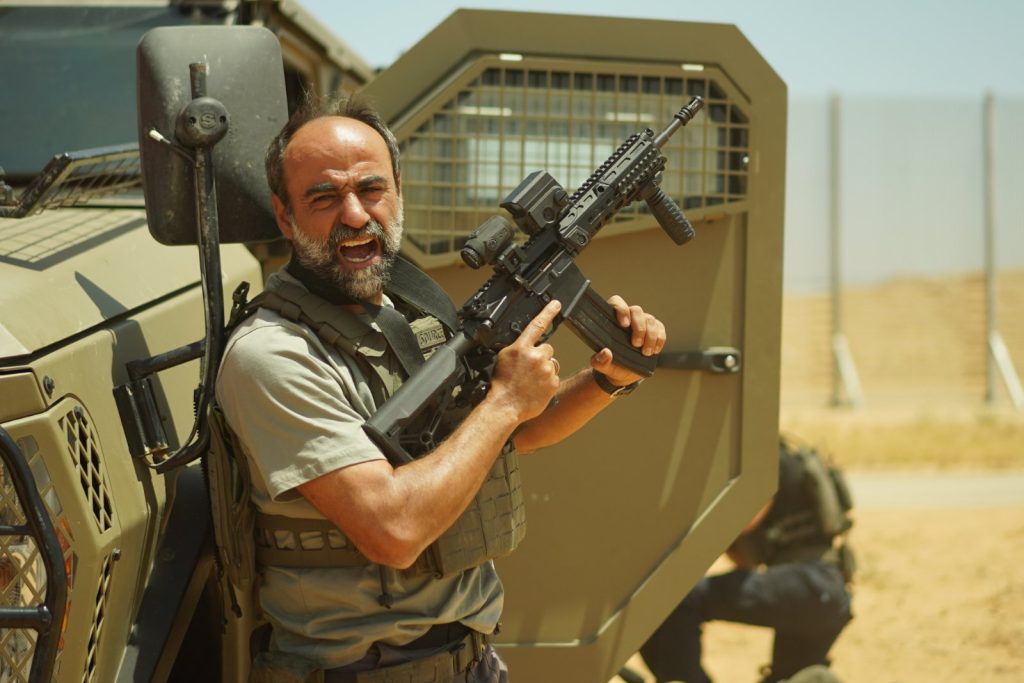
OG: When the writers and the creators started developing the story, they knew they wanted this plot abroad, about a European cell planning a terrorist attack in Israel. And first, we felt that Marseille was good. It’s a good location, first because it’s an interesting city. When we were scouting there, there were a lot of Palestinian flags. So it was good for the story, and very dramatic. And second, I preferred Marseille because it’s different from season four, which was in Brussels, visually very wintry and bluish. So Marseille was a good place.
EP: There is turmoil in France, but when we watch the news in Israel, the coverage is framed as if the protests were centred on Israel, on Israel-Palestine, or motivated by origin or religion, which is absurd and a total misunderstanding.
LB: We know that, and we understand it, and sometimes we feel the news here covers the world with the framing of how they cover Israel itself… But we also saw the protests in France with chants like “free Palestine”. But we chose Marseille first, because it was a port city in Europe. It could have been any other place. A port city, with a large Muslim community.
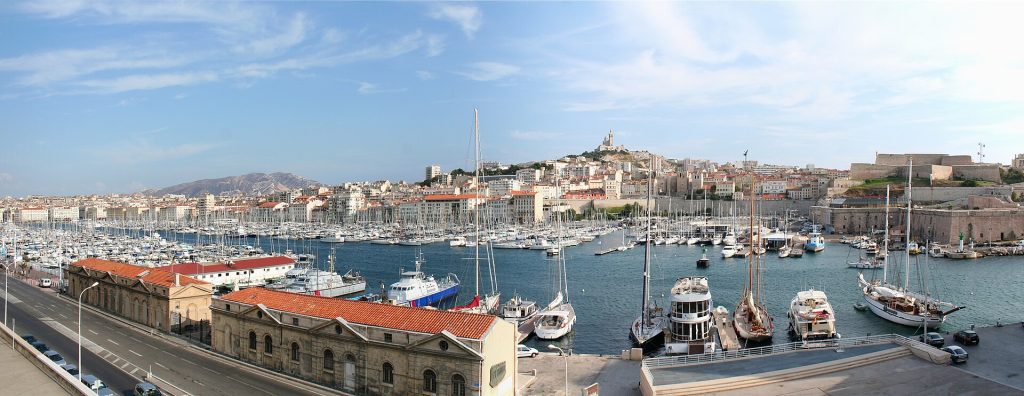
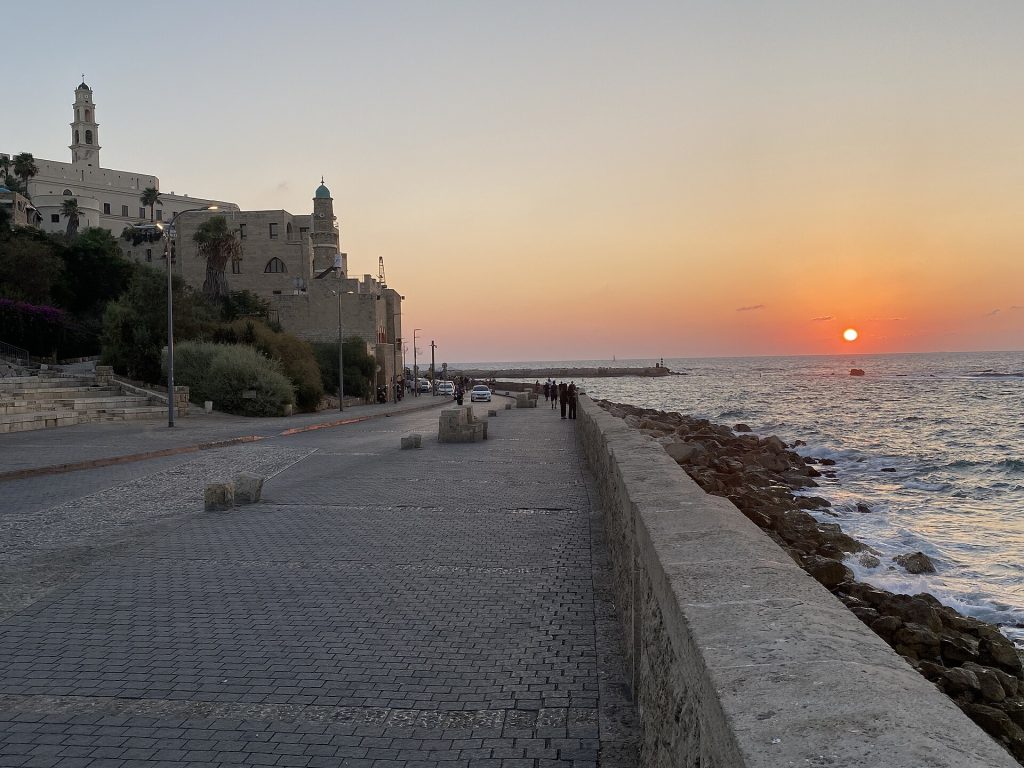
OG: Marseille reminds me of Israel. So I liked it. It reminds me of Israel in a lot of ways. It looks like Jaffa. It’s a beautiful city, a Mediterranean kind of city.
LB: The full story is that we wanted to shoot in Marseille, but we finally didn’t feel safe there. The production company told us, “Don’t come.” And they did want us to come, because they wanted to make a living. But they had received threats in case the Fauda crew came. So that’s why we didn’t shoot there4.
EP: A parallel now. A few days after the season came out on Netflix, Naza, by Yuval Abraham and Rachel Szor5, won a prize in Venice. One tells 7 October from inside Israeli society, and the other tells Gaza from inside, through people who are or were in the army. Even if they are not the same, of course, both productions come from Israeli society. How do you see these two works side by side? Do they make a complete landscape of what happened?
OG: First, I didn’t see the movie. As far as I understand, it’s interviews with soldiers. So from a filmmaking point of view, I don’t know if it’s good or bad. Of course, it made a lot of noise in Israel, bad noise, in the sense that they seem to be telling lies and doing terrible PR for Israel. Also, one is a documentary, the other is fiction. And third, if the things they are talking about are real, I believe every citizen in Israel should want to know how the country has conducted itself. It’s something every democratic country needs to know. Still, the documentary has to provide evidence.
In the end, because it’s Naza and Fauda, it sounds the same, and one tells the trauma while the other deals with what’s happening on the other side. It was intriguing that the two came out at the same time, but there is no real connection in my opinion. Finally, it says that Israelis want to tell the story from every angle, so in that way it’s good. In Israel, though, people felt like, “After what we’ve been through, you’re going to tell the other side’s story? How dare you?”
LB: In my opinion, I think the directors of Naza did something unforgivable: they showed only a small part of a war. I haven’t watched the movie, and I will watch it, because I think it’s important to watch it in order to be able to talk about it and be informed. We are in a democratic world, they can say whatever they want. But still, I feel that they took one part of the machine of war, because war is terrible, and we all think that, and portrayed something they wanted the world to applaud. It’s really easy to go to Venice and show that. Good for them…
EP: Do you think that Fauda carries a criticism of Israeli society, or does it embrace Israeli society?
OG: What’s amazing about this show is that, in a very simple but smart way, it can reach everyone in Israel, and still say things that, if you said them in other movies or festival films, people would kill you. Think about seasons one and two, when Doron has an affair with a Palestinian doctor. If I made a documentary about an Israeli super soldier who falls in love with a Palestinian doctor and does crazy things for her, people would say, “Oh, what are you doing? It’s terrible.” And I know that a lot of what the bad guys say throughout the seasons about Israeli society, about the IDF, would never work in other series. And still, people watch it in Lebanon, in Tel Aviv, in Jerusalem, in Sweden. So in a way, it succeeds in putting the complexity of this whole regional conflict into a TV series.
EP: In this season, but also in others, there is a presence of Palestinians, of course, but also of Israeli Arabs. What did you try to show through the story of the bereaved Israeli Arab father in this last season? Is there something about the emergence of the voice of this population, also through the last elections, which Fauda was kind of the first to greatly show?
OG: It was mostly in the first season. And yes, I think again it was brilliant, because Fauda touched this part of Israeli society through the story. As an Israeli born and raised here, you can live in Tel Aviv and Jaffa; and Jaffa, where we shoot, is to a large extent an Arab city. You hear Arabic, you see Arabic. You meet doctors, and you meet people in the production of Fauda, some of whom are Arabs. The conflict is out there, but in real life, existence is also very normal, and it’s beautiful. And I think both societies, Israeli Arabs and us, need to coexist. We’re talking now after the election6: I hope these results may bring some change. From both sides, we need to understand: we need to say we’re part of this country, or what is important for you in order to be part of it.
LB: We want them to sit with us in this coalition. We really want it to happen.
EP: 7 October has been described, also in your team, as the hardest day in Jewish history since the Holocaust. Did you conceive Fauda as an Israeli story, or do you think it’s a Jewish story?
OG: I think it’s first an Israeli story. First, because it happened in Israel. And second, as in season five: Muslims were murdered on 7 October. And they were Israelis, and it happened in Israel. Of course it’s a Jewish country, but Fauda is, I think, the most Israeli TV show, telling the Israeli story of Muslims, Jews, Palestinians, Israeli Arabs.
“As someone on the left, I would say I don’t believe that Israel committed genocide at all. I refuse to be part of this conversation.”
EP: After these past three years, one could argue that nobody can understand Israelis anymore: the mentality has been shaped by harshness and, from some perspectives, also by a certain blindness and isolation. Do you see this diagnosis as a lasting state of affairs, or do you still have hope? Do you feel that Israel is apart now, for long?
OG: Apart, like out of the party…
LB: These four years, and especially the last two, I can say for my part that we feel very misunderstood. I understand that people around the world are watching different stories than we as Israelis are watching. But still, I think they don’t see our perspective at all, and the media abroad is taking part in not showing our perspective.
And Israel and this government, I would say, are not loved, and I can understand it as far as the government goes. We are all against it. Not all, but most of us, in the production world, in the artistic world, and we are all hoping for a change, in particular the departure of all the extremists who sat in this government. We want to be more central, more centre-left, than this right-wing trend. But still, as someone on the left, I would say I don’t believe that Israel committed genocide at all. I refuse to be part of this conversation. I have a lot of people in Europe and the US who used to be my colleagues and friends, and I understand that they see something else, and we have a lot of discussions about it. And I really hope that Fauda, or more shows like it, can show a bit of our perspective to the world.
- The fifth season (11 episodes) premiered on the Israeli channel Yes on 18 May 2026, and worldwide on Netflix on 8 September 2026. ↩︎
- Avi Issacharoff, a journalist, created Fauda with Lior Raz, who also plays its lead character, Doron Kavillio. The series premiered on Yes in 2015 and has been distributed worldwide by Netflix since 2016. ↩︎
- Doron (Lior Raz), Eli (Yaakov Zada Daniel), Steve (Doron Ben-David) and Sagi (Idan Amedi) are members of the Israeli army’s undercover unit at the heart of the series. ↩︎
- Filming finally took place in Budapest, while much of the story is still set in France. ↩︎
- Naza (2026), by Yuval Abraham and Rachel Szor, co-directors of No Other Land (Oscar for best documentary in 2025), is based on interviews with 24 Israeli soldiers and intelligence officers about the war in Gaza. It won the Special Jury Prize at the Venice Film Festival on 12 September 2026. Its title is an Israeli military term for the number of civilians expected to be killed in an air strike. Read in K.: “Naza, or On the Political Uses of Shock Treatment” ↩︎
- Israeli legislative election of 27 October 2026, in which Arab-majority parties won a record 19 of the Knesset’s 120 seats. ↩︎
Elie Petit
Elie Petit is a journalist and deputy editor-in-chief of Revue K. He collaborates with numerous international media outlets, including The Washington Post, NBC, and the BBC.