# 295 / Editorial
In this issue of K.
 The Bull Named JewAlan Grabinsky
 Stephen Miller, the Jewish Outlier at the Heart of the White HouseJo-Ann Mort
 The Ghosts of ViennaJohanna LehrThe Bull Named JewAlan Grabinsky→ Alan Grabinsky, The Bull Named Jew
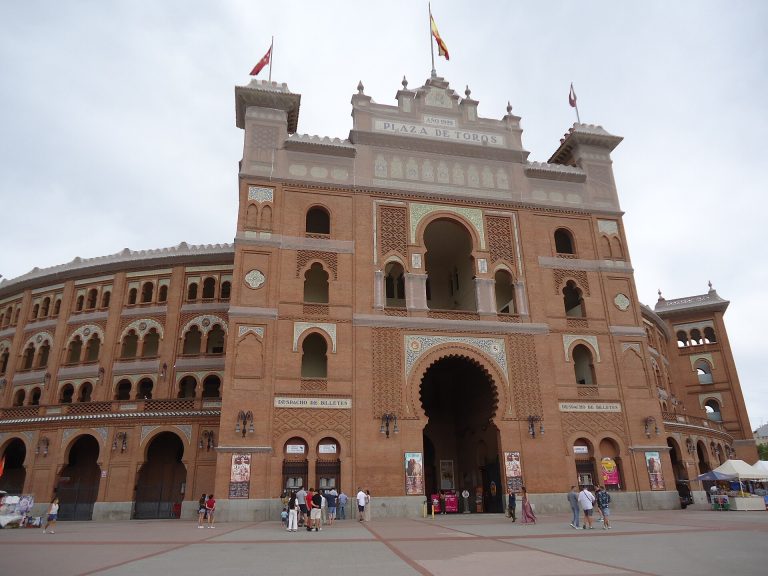
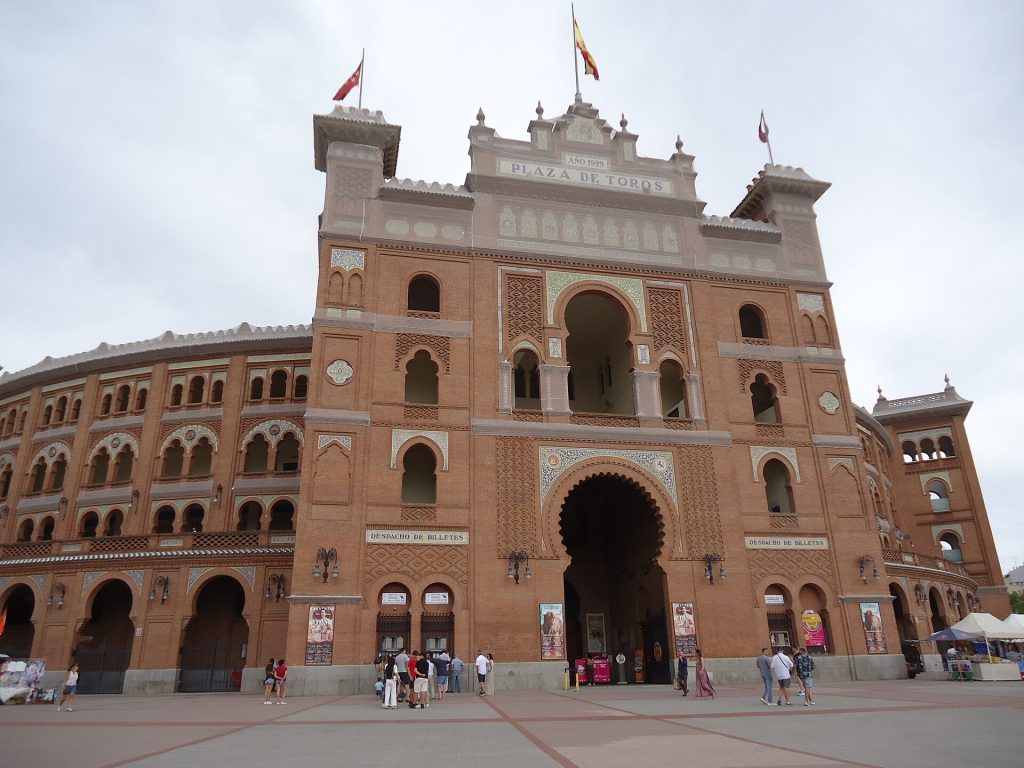
At the Las Ventas bullring in Madrid, the sixth and last bull of the afternoon was named “Judío” (“Jew”) that day. No one was troubled by it: not the bullfighting critics, not the regulars of the arena, not the authorities. No one, except a Mexican aficionado, the artist Moisés Zabludovsky, who loves bullfighting too much to let the matter rest. His nephew, Alan Grabinsky, recounts his uncle’s riposte with humour. He describes for K. a country where, during Holy Week, in a city like León, people say they are going “to kill Jews” when they go out for a glass of limonada.
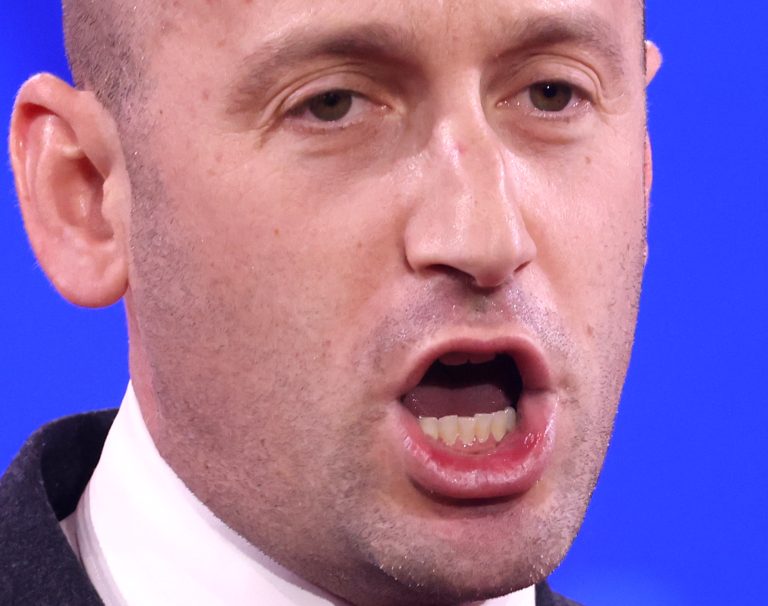
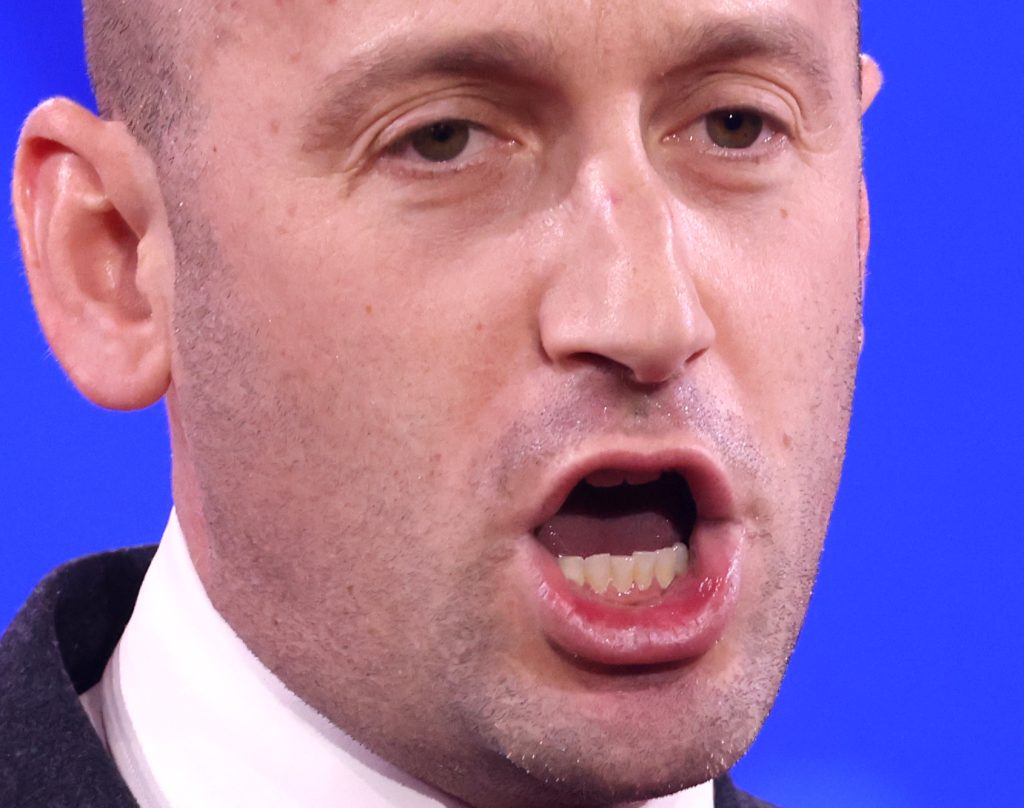
Stephen Miller, the Jewish Outlier at the Heart of the White HouseJo-Ann Mort→ Jo-Ann Mort, Stephen Miller, the Jewish Outlier at the Heart of the White HouseOnce again it is an uncle who, in American journalist Jo-Ann Mort’s portrait of Stephen Miller, urges his nephew to look at what he has inherited. A few days after the Republicans’ defeat in the midterm elections, Donald Trump appointed as White House chief of staff the man who calls for deportations by the millions. Miller’s uncle reminds him that their family fled the pogroms and found refuge in the United States. The policy their descendant designed would have shut the door on families like theirs. The rabbi of his childhood, for his part, confronts him with what he once taught him about welcoming the stranger. Jo-Ann Mort asks whether the memory of having been strangers can still unite American Jews against Miller’s policies, and draws a portrait of the man who stands closest to Trump, through those who watched him grow up and reproach him for not having “got the Jewish message.”
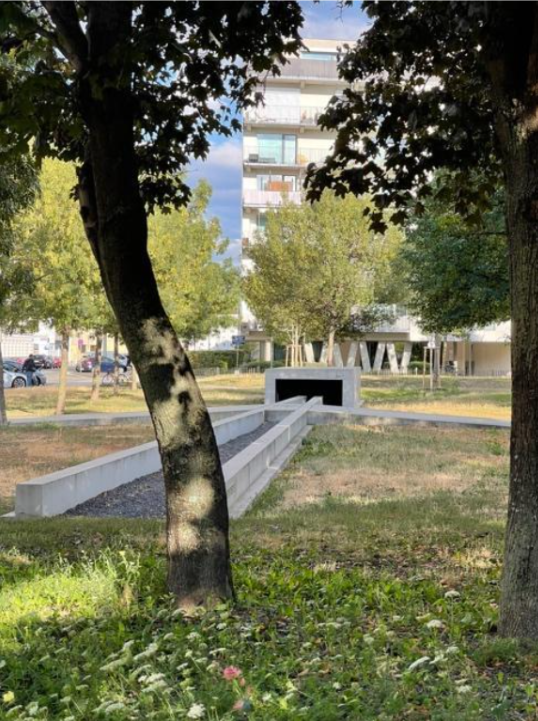
The Ghosts of ViennaJohanna Lehr→ Johanna Lehr, The Ghosts of ViennaIn Vienna, it was first a dish that struck Johanna Lehr, a historian of the persecution of the Jews in Paris, carrying her back to the tastes and textures of her grandfather’s cooking. Then it was the strange perfection of this all too polished city that unsettled her. Setting out in search of the “collection camps” from which more than 45,000 Viennese Jews were deported, she comes across places that are lived in and barely marked, and sets side by side two ways of approaching the memory of the Shoah: inscribing it or keeping silent about it.
The editors of K.
In this issue of K.
Read The Bull Named Jew · Alan GrabinskyRead Stephen Miller, the Jewish Outlier at the Heart of the White House · Jo-Ann MortRead The Ghosts of Vienna · Johanna LehrTwo weeks ago, K. published the afterword to Jean-Claude Milner’s Alentours du nom juif. This week, that “Jewish name” turns up where no one expected it: as the name of a fighting bull in Spain, and as the name of a man who, after the recent American elections, has become one of the most powerful in the United States while turning his back on his family history.
At the Las Ventas bullring in Madrid, the sixth and last bull of the afternoon was named “Judío” (“Jew”) that day. No one was troubled by it: not the bullfighting critics, not the regulars of the arena, not the authorities. No one, except a Mexican aficionado, the artist Moisés Zabludovsky, who loves bullfighting too much to let the matter rest. His nephew, Alan Grabinsky, recounts his uncle’s riposte with humour. He describes for K. a country where, during Holy Week, in a city like León, people say they are going “to kill Jews” when they go out for a glass of limonada.
Once again it is an uncle who, in American journalist Jo-Ann Mort’s portrait of Stephen Miller, urges his nephew to look at what he has inherited. A few days after the Republicans’ defeat in the midterm elections, Donald Trump appointed as White House chief of staff the man who calls for deportations by the millions. Miller’s uncle reminds him that their family fled the pogroms and found refuge in the United States. The policy their descendant designed would have shut the door on families like theirs. The rabbi of his childhood, for his part, confronts him with what he once taught him about welcoming the stranger. Jo-Ann Mort asks whether the memory of having been strangers can still unite American Jews against Miller’s policies, and draws a portrait of the man who stands closest to Trump, through those who watched him grow up and reproach him for not having “got the Jewish message.”
In Vienna, it was first a dish that struck Johanna Lehr, a historian of the persecution of the Jews in Paris, carrying her back to the tastes and textures of her grandfather’s cooking. Then it was the strange perfection of this all too polished city that unsettled her. Setting out in search of the “collection camps” from which more than 45,000 Viennese Jews were deported, she comes across places that are lived in and barely marked, and sets side by side two ways of approaching the memory of the Shoah: inscribing it or keeping silent about it.