#281 / Editorial: A Week on the Couch
During this summer break, K. is suspending its original publications. While we wait for the new season to begin, each week we’re offering our readers a special feature showcasing a selection of texts organized around a specific theme. This is your chance to discover a text you might have overlooked, rediscover one that resonated with you, and share some of K.’s publications with friends who aren’t yet familiar with it.
Related articles

Bitter Love. Israel or the Shores of Intimacy (3/4)

The antisemitism of denial and the new trial of the Jews
Unabashed anti-Zionism and a clear conscience
Masochism or emancipation? Pinkwashing, resistance and solidarity with Gaza
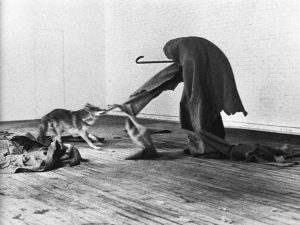
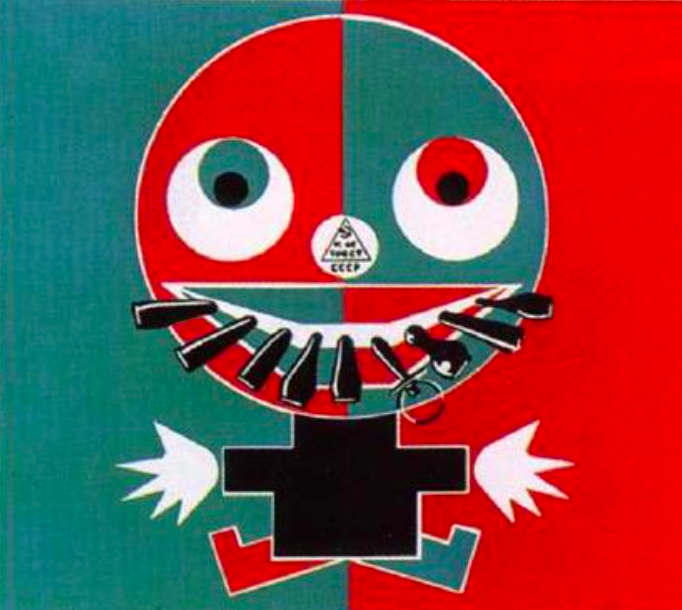
This week, summer lethargy blends with a certain conceptual depth; words take on a double meaning, and heads grow terribly heavy. There’s only one solution: stretch out comfortably on the K. couch and listen as our least complacent authors venture into their wild interpretations. Bruno Karsenti kicks off this high-wire act of hermeneutics with a reflection on the role of denial in contemporary antisemitism, and on what lies behind this “not wanting to know anything about it” attitude that seems to drive so many intellectuals today. Gustave Kaplan picks up the thread of free association; drawing on a slip of the tongue by Frédéric Lordon, he explores the strange taboo surrounding anti-Zionists. Given how constantly we hear them proclaim that they’re doing nothing wrong, shouldn’t we ask ourselves what it is they’re so obsessed with fiddling with? Finally, Karl Kraus brings this issue to a close with his famous “Masochism or Emancipation?,” analyzing the place occupied by fantasies of flogging in the contemporary progressive imagination.
In episode three of “Bitter Love,” Samuel Ghiles-Meilhac takes his first adult trip to Israel, with his childhood innocence already a distant memory. He encounters Daniela, his “Israeli at heart” and a peace activist, but also the Palestinian reality, beyond cartographic abstractions and positions taken from afar.
As a reminder, our archives are open, and we invite you to explore the hundreds of articles we’ve published over the past five years. And since we’re talking about the couch this week, you might want to read or reread Joel Whitebook’s essay on “Freud’s Two Mothers” or the piece by Déborah Gutmann-Krausz and David Krausz: “What is it that remains Jewish in psychoanalysis?”.