#284 / Editorial: Three Portraits
During this summer break, K. Review is suspending its original publications. While we wait for the new season to begin, each week we’re offering our readers a special feature showcasing a selection of texts organized around a specific theme. This is your chance to discover a text you might have overlooked, rediscover one that resonated with you, and share some of K.’s publications with friends who aren’t yet familiar with it.
Related articles
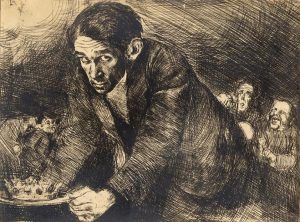
Bruno Schulz: An Artist, a Murder, and the Hijacking of History

The Many Lives of Jacob Taubes
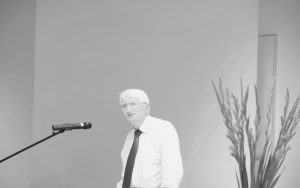
Jürgen Habermas: The Prosaic Bedrock
This week’s feature brings together three portraits of men whose work or lives continue to be reexamined by those who come after them—three legacies that cannot be so easily put to rest. Benjamin Balint and Léa Veinstein revisit the twists and turns surrounding the legacy of Bruno Schulz, the Jewish writer and painter from Drohobych who was shot by an SS officer in 1942, whose frescoes—miraculously rediscovered in a Nazi children’s room—have become, between Poland, Ukraine, and Israel, the subject of a veritable battle over the appropriation of memory. Next comes Jacob Taubes, in the unsparing portrait drawn of him by Mitchell Abidor: a Jewish philosopher without a body of work, but not without an aura, a devourer of disciples and friendships, so fascinated by false messiahs and redemption through sin that he made them the very foundation of his romantic and intellectual life—a man, to use the phrase that undoubtedly suits him best, “incompletely socialized.” The issue concludes with a very different kind of greatness—one rooted in composure rather than disorganized genius—with Julia Christ’s tribute to Jürgen Habermas, who died last March. Driven throughout his life by the conviction that, after the Holocaust, philosophy no longer had the right to dream of heroism, Habermas made the prosaic, compromise, and bourgeois boredom the foundation of a true ethics—the only one, he believed, that post-Holocaust Europe could still afford.