Georges Kars: Europe as His Studio
To mark the exhibition “A Bohemian in Paris” at the mahJ, we look back at a European journey marked by persecution, through two excerpts from the catalog.
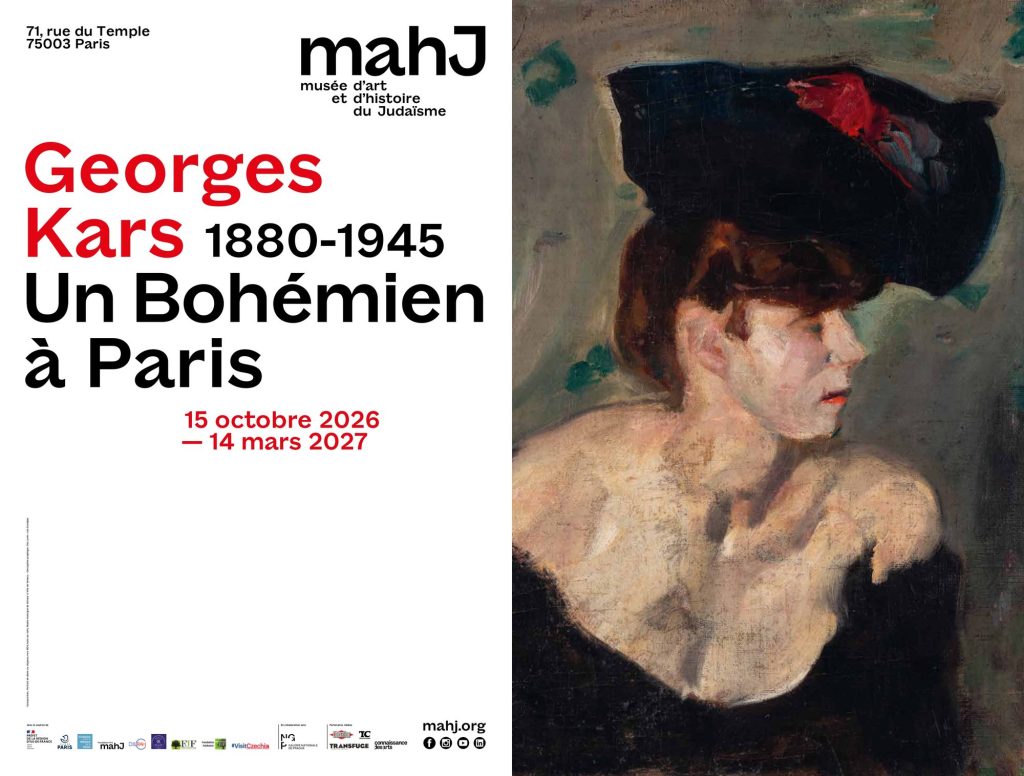
Georges Kars (1880–1945) remains relatively unknown in France today. With “A Bohemian in Paris,” on view from October 15, 2026, to March 14, 2027, the Museum of Jewish Art and History invites visitors to rediscover this Czech Jewish painter, a leading figure of the School of Paris. Bringing together more than 150 paintings, drawings, and archival documents, the exhibition captures the uniqueness of his work and his journey from his native Bohemia to the Paris of the avant-garde, before the persecutions and exile. K. publishes two essays from the catalog, co-published by the MAHJ and Éditions Lienart. In “A Restless European,” Paul Salmona traces this journey and examines the oblivion that followed the artist’s death. Pascale Samuel focuses on the years of the Occupation and his refuge in Switzerland, leading up to his suicide in Geneva in February 1945, on the eve of his planned return to Paris.
A Restless European
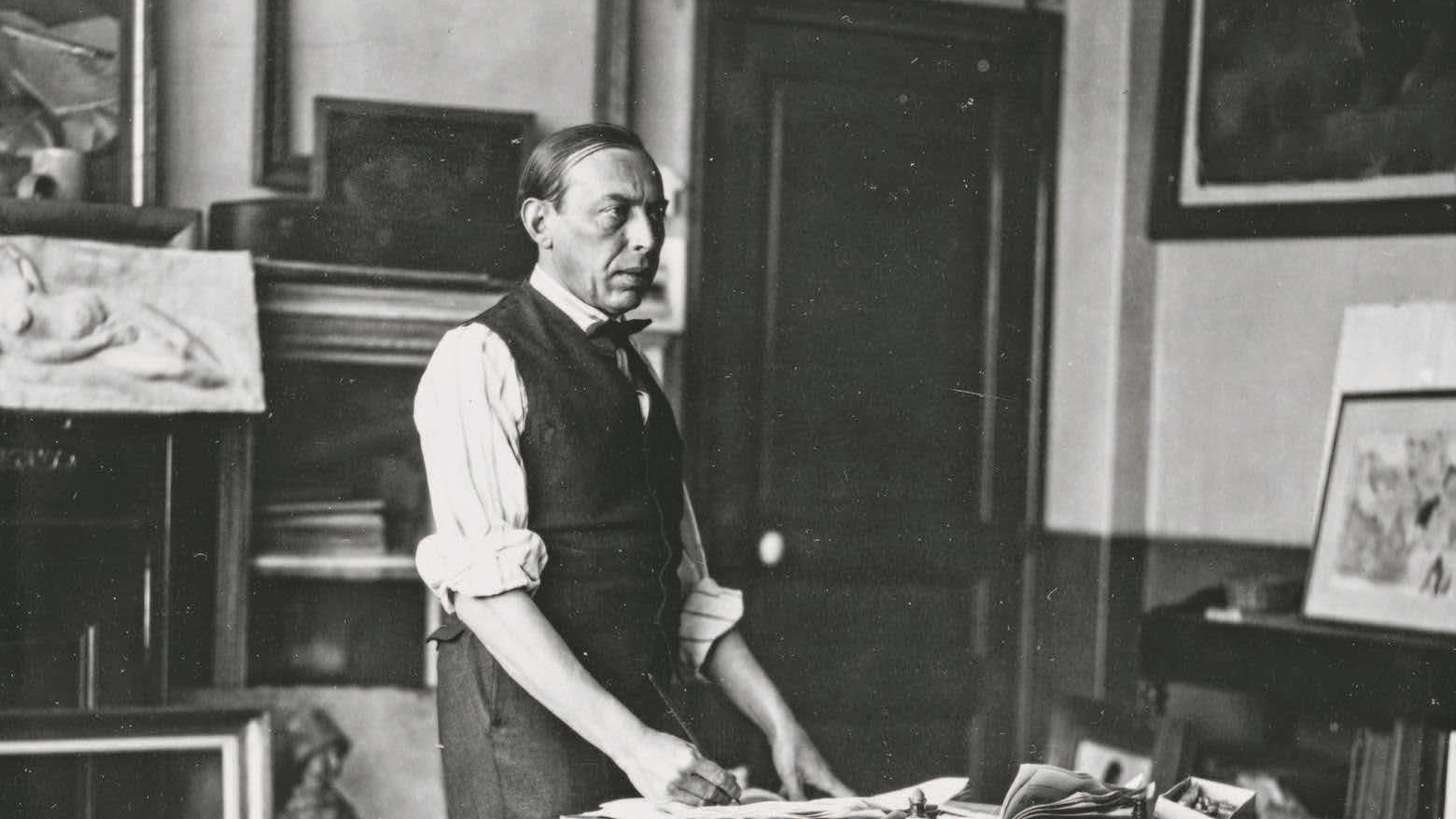
This haughty yet visibly anxious painter, photographed in 1929 in his studio on Rue Caulaincourt, is today almost forgotten in France. Yet, during the interwar period, Georges Kars was one of the most important representatives of what the critic André Warnod called the École de Paris. Although Kars never achieved the fame of a Chagall or a Soutine, critics praised his works, and as early as 1930 he was the subject of a monograph by Florent Fels. Berthe Weill, whose keen eye is now better known, exhibited his work as early as 1920 and championed him until her gallery closed in 1940. Kars donated *Portrait of a Woman* in 1928 and *Cristina* in 1934 to Andry-Farcy, while the visionary curator of the Musée de Grenoble secured, in 1933, the loan of *Nude Woman at Rest*, which had been acquired by the National Fund for Contemporary Art two years earlier. But Kars’s premature death in 1945, and the destruction of many of his works—deemed “degenerate” by the Nazis—cast a veil of oblivion over the artist in our country.
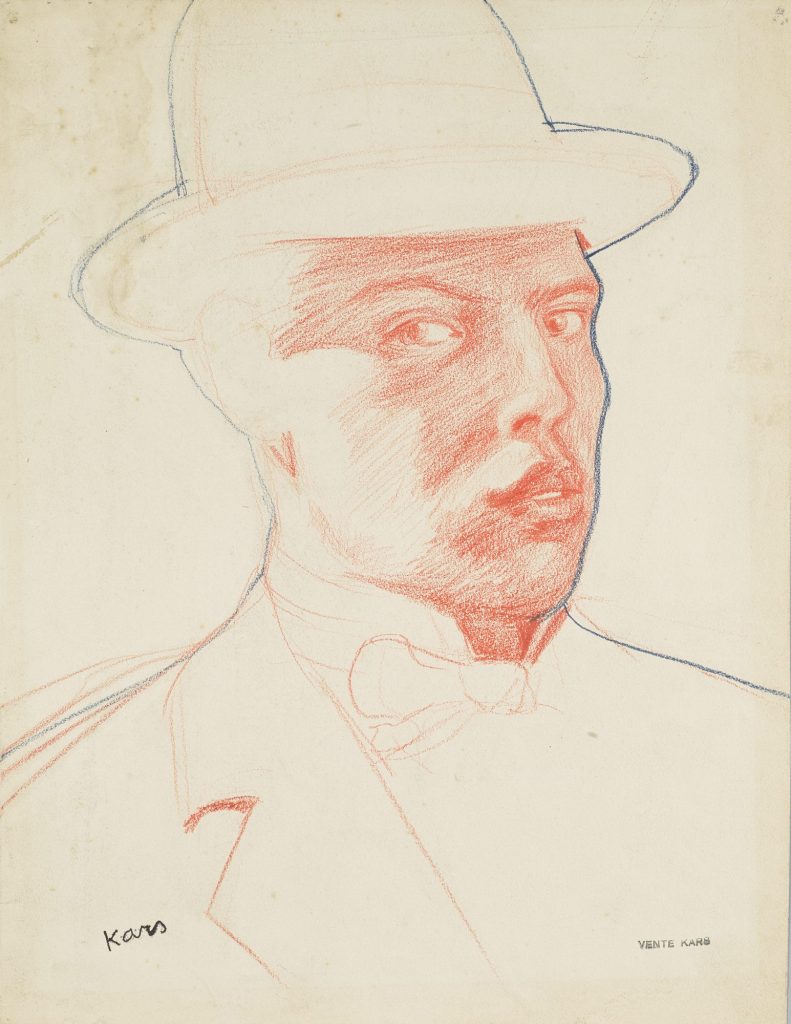
As demonstrated in 2021 by the exhibition “Hersh Fenster and the Lost Shtetl of Montparnasse,” dedicated to artists who perished in the Shoah or fell victim to the consequences of the Nazi Occupation, their disappearance left them unable to defend their works—when these had not been destroyed, looted, or stolen—as was the case with Kars’s works held in German museums or left behind in Prague in 1939 following the Wehrmacht’s invasion. Consequently, Kars has not had a solo exhibition in Paris since 1945, and apart from the donations made by his widow to the National Museum of Modern Art in 1949 and his bequest in 1966, most of his works in French public collections were acquired during the interwar period.
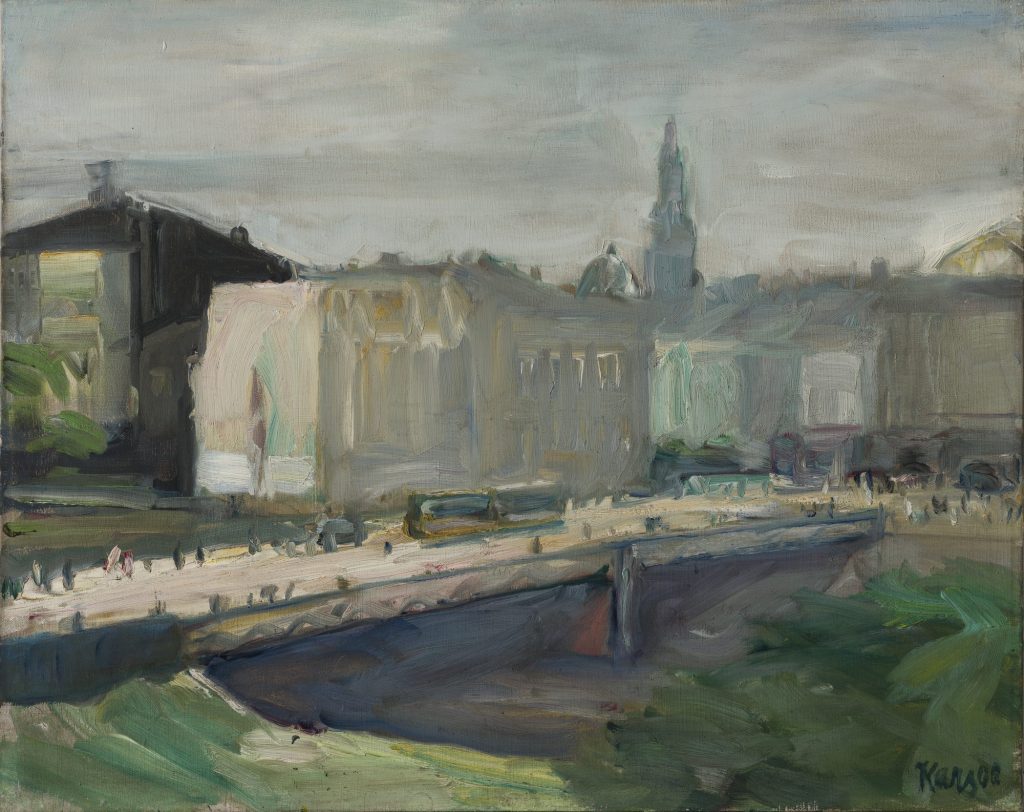
Amid this silence, a few collectors stand out, such as Denise and Pierre Lévy, who acquired four paintings at the studio sale in 1966 and donated them, along with their entire collection, to the Museum of Modern Art in Troyes. Kars was thus the subject of an exhibition there in 1983. We should also mention the donation by Martine and Léon Cligman to the French government, now on view at Fontevraud Abbey.
Unlike Vincent van Gogh—who was virtually unknown during his lifetime but whose fame would only grow over the decades, fueled by a devotion partly due to his madness and suicide— Kars was celebrated during his lifetime but would be virtually unknown today were it not for the recent work of Anna Pravdová, curator of the mahJ exhibition alongside Pascale Samuel, who featured two works by Kars in the 2021 exhibition “Chagall, Modigliani, Soutine… Paris as a School, 1905–1940.”
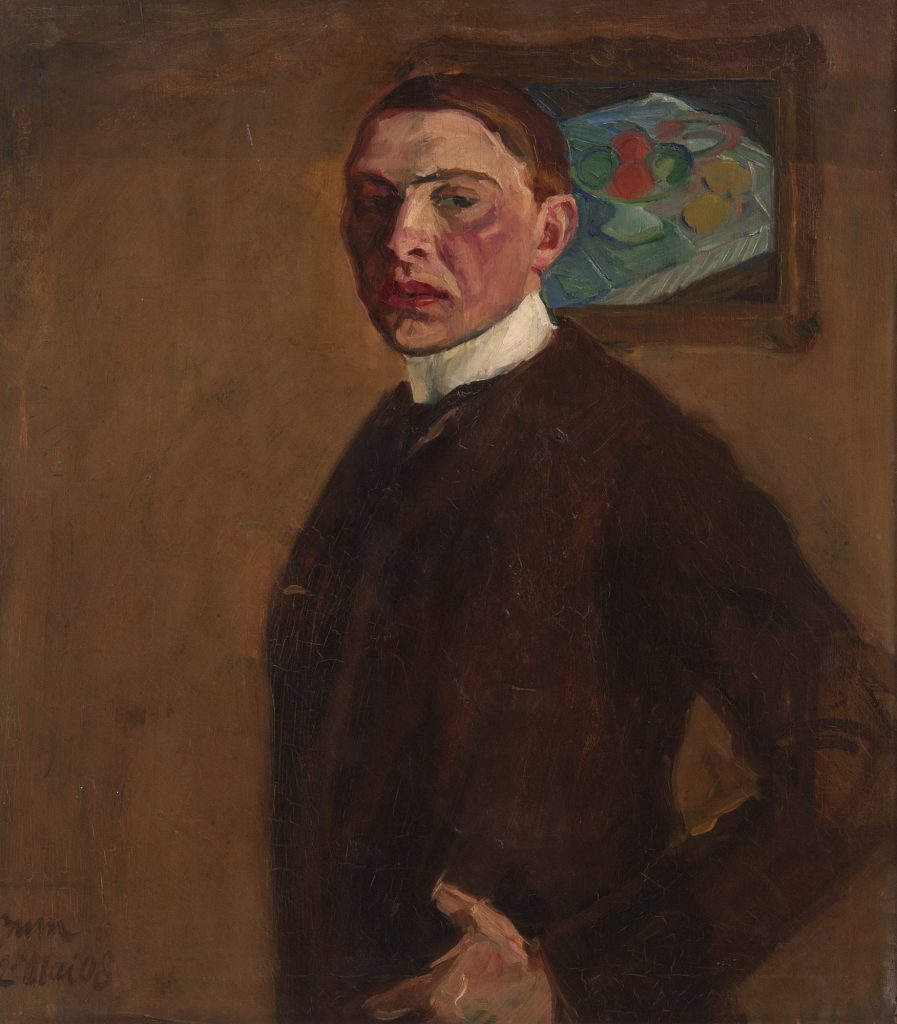
Beyond Kars’s place in the School of Paris, this catalog recalls what Judaism was like in Central Europe at the end of the 19th century. Kars came from a family of dynamic Jewish millers who enjoyed relative emancipation in the waning Austro-Hungarian Empire. This was also the world of Gustav Meyrink—author of The Golem—Franz Kafka, and Max Brod, with whom Kars was friends. A multilingual world, now vanished, where Czech, Yiddish, and German intermingled, and within which republican values gave rise to the Spring of Nations, culminating notably in the creation of Czechoslovakia in 1918. Thus, for the artists and intellectuals of Bohemia and Moravia in the 19th century, Paris held a major attraction: Kars settled there in 1908, following in the footsteps of his predecessors Alfons Mucha in 1887 and František Kupka in 1896.
This is why it was important to recall Kars’s journey, from his hometown of Kralupy nad Vltavou to Paris, via his training in Munich. It was also essential to place him within the context of the many Czechs living in Paris, for although he came from a German-speaking family, Kars embraced the Czech national cause and would become a major figure in Czechoslovak art, honored with a major retrospective in Prague in 1937. In some respects, Kars embodied the intensity of Czechoslovakia’s relations with France at the turn of the century and during the interwar period: a bond that had been strained—and even forgotten there as well—by the partition of Europe at Yalta, and which the European Union has helped to reestablish. Equally important was the reminder of the influence of the French art scene—particularly Cézanne—on his paintings, as well as that of his friends Juan Gris, Suzanne Valadon, Maurice Utrillo, André Utter, Max Jacob, and Guillaume Apollinaire.
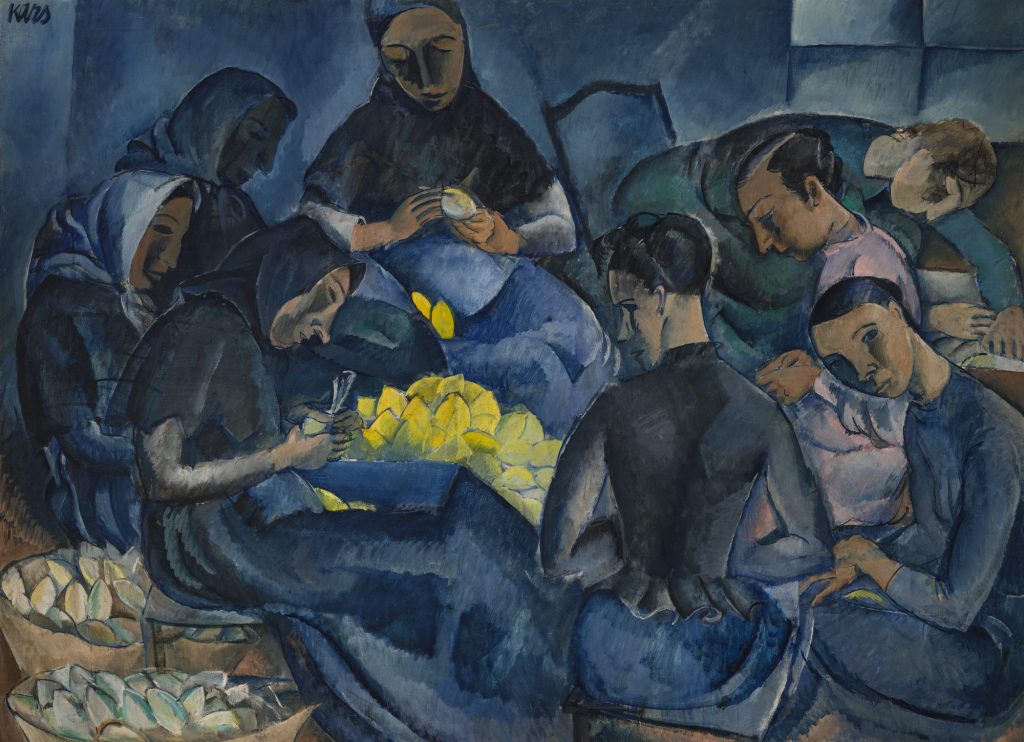
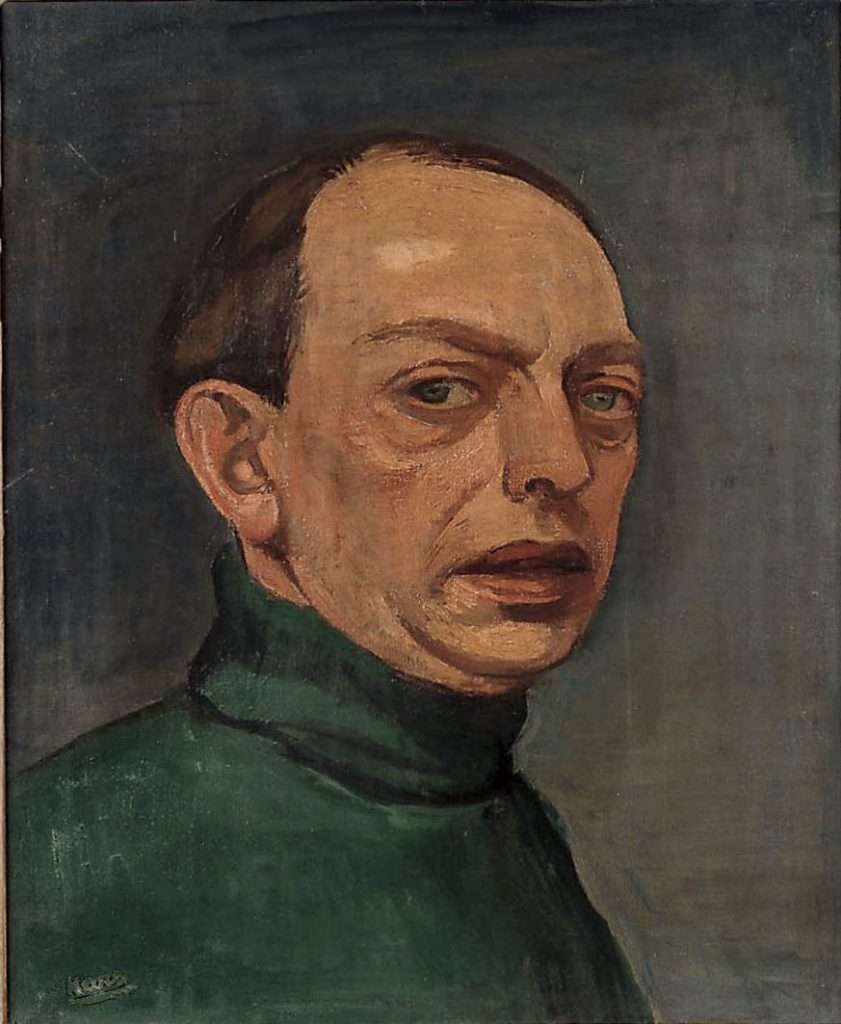
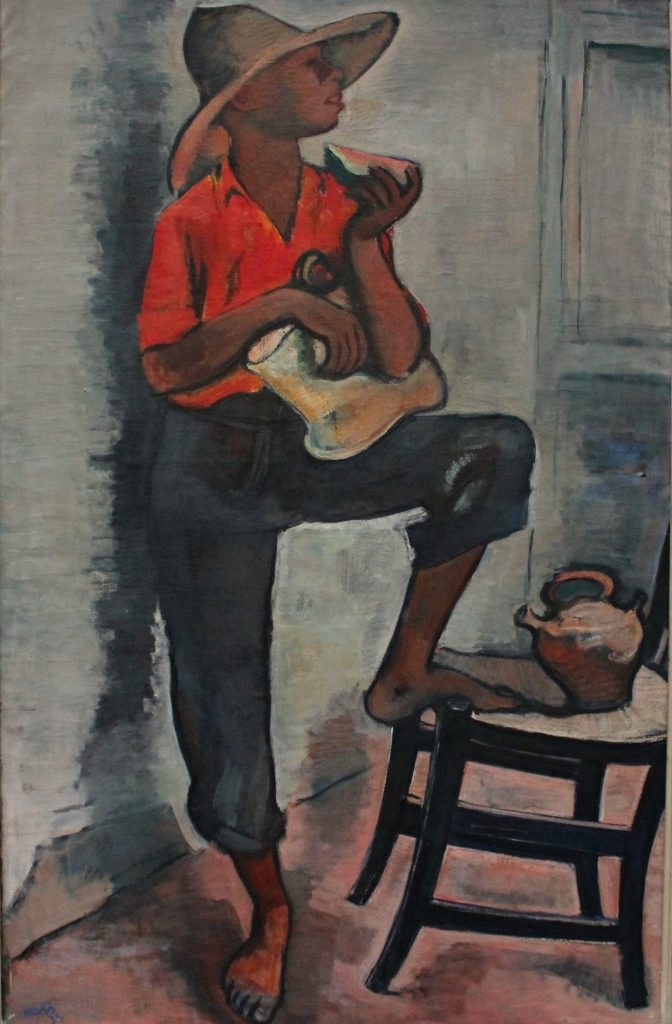
The paintings and drawings from his travels in Germany, Spain, and France bear witness to a Europe open to artists, but Kars’s life was also marked by the most tragic events of the early 20th century: the 1914–1918 war, during which he was drafted into the Austro-Hungarian army; the Spanish Civil War, which forced him to leave his home in Tossa de Mar, Catalonia; World War II, with the invasion of Czechoslovakia, which forced him to return to a France that would soon be occupied—a country he would have to flee to seek refuge in Switzerland with Chana Orloff and his son Élie. The country was not very welcoming, prohibiting the artist from working and subjecting him to difficult living conditions. Upon discovering the full extent of the Shoah, this deeply anxious man—as evidenced by his self-portraits—was “overcome by the night”, to quote the title of Anna Pravdová’s PhD: in February 1945, he threw himself from the fifth floor of his hotel in Geneva. We are left with his drawings and paintings—the unique body of work by a European admired during his lifetime, which it was important to bring back to light.
Paul Salmona, director of the mahJ
The Years of the Occupation and Exile
“Let us not forget that he knew Kafka, the quintessential outcast, and that he belongs to that lineage of anxious souls to which Stefan Zweig also belongs.” ”
Joseph Jolinon, The Life and Work of Georges Kars, 1958
When the Wehrmacht entered Paris, Georges and Nora Kars were in Anse, north of Lyon, where they were guests of the winemaker and collector Marien Pré. Kars had come there seeking a bit of peace after his hasty departure from Prague in the face of the invasion by the Third Reich’s troops. As a Czech, a Jew, and an artist, his life had been profoundly upended: he had left his homeland with no hope of returning, leaving behind a significant portion of his body of work, while six of his paintings held by German museums were confiscated by the Nazi authorities under the law on so-called “degenerate” art.
The artist is no stranger to this village in the Beaujolais region, located less than three kilometers from the Château de Saint-Bernard, owned by the Valadons, where André Utter now lives alone. He visited there many times in the 1920s and 1930s, while Suzanne Valadon was still alive, when the château was still a gathering place for the Parisian art scene, frequented by Édouard Herriot, the deputy and mayor of Lyon. It was during one of his earlier stays that Kars befriended Marien Pré, who, from the early 1920s onward, supported the work of Valadon and Utrillo.
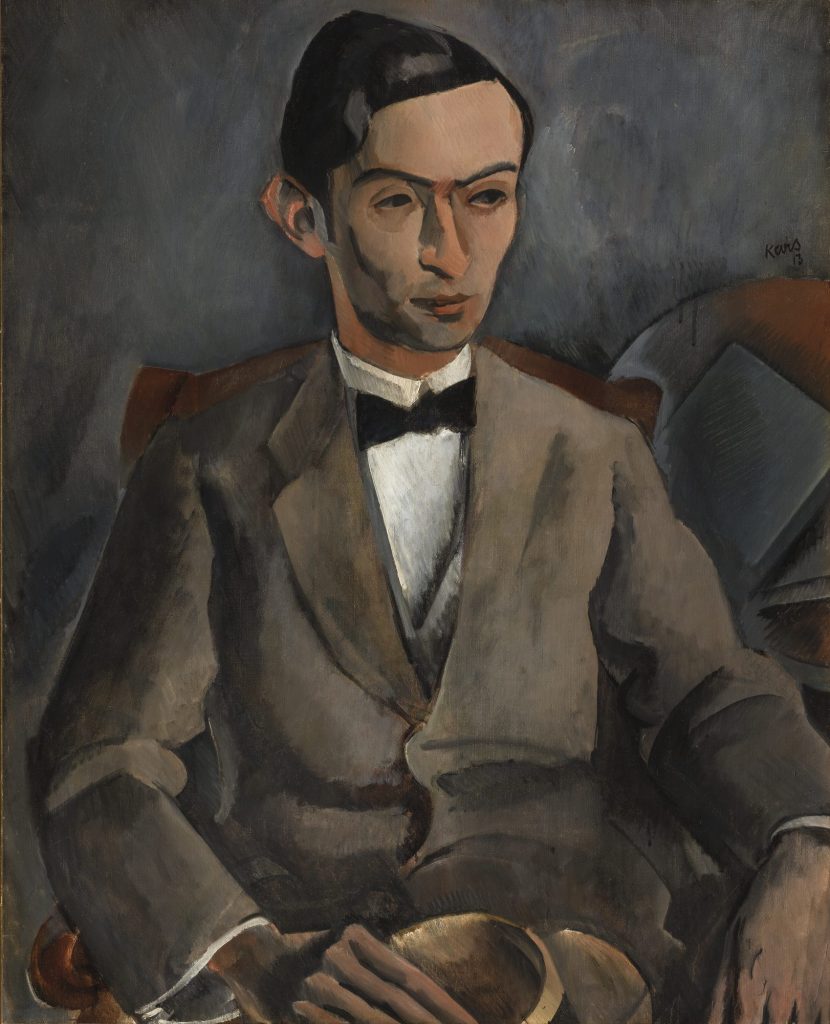
Kars painted several portraits of his host. In *The Man with the Pipe* (1939), the painter uses a somber palette and depicts his friend as a gentle, calm man. In *My Friend Pré and the Tiger Hunt* (1939), the subject is seated in front of wallpaper featuring an exotic motif, the kind commonly found at that time in the back rooms of country bistros. The portrait is vigorous, but the model’s gaze seems indifferent to the world around him. Marien Pré exudes a quiet, reassuring strength for Kars, who finds in this family a gentle way of life, palpable in *Portrait of Richard Pré* (1939), where the young boy in short pants is painted in soft tones.
In the fall of 1939, to thank their hosts, Georges and Nora Kars amused themselves by writing a poem dedicated to Marien Pré and his wife Marion, which ends with these lines:
“Always united as joyful companions, Bacchus, Saint Luke, and the gentle Orpheus—Such are the wishes of two humble pilgrims Who have come from Czechoslovakia—beyond the Rhine.”
In April 1940, Kars submitted *My Friend Pré and the Tiger Hunt* to the Salon. This would be his last participation in Parisian exhibitions. During his stay in Anse, Kars also painted *La Belle Caladoise*. In the drawing titled *At the Café*, life around these figures seems suspended in anticipation of a coming tragedy.
Lyon, a Temporary Refuge
Like so many refugees, Georges and Noa Kars settled in Lyon, a city located in the southern zone. They moved to the Croix-Rousse neighborhood, where they reunited with several friends from Montmartre, such as the journalist and art critic André Warnod, who had taken refuge there with his family.
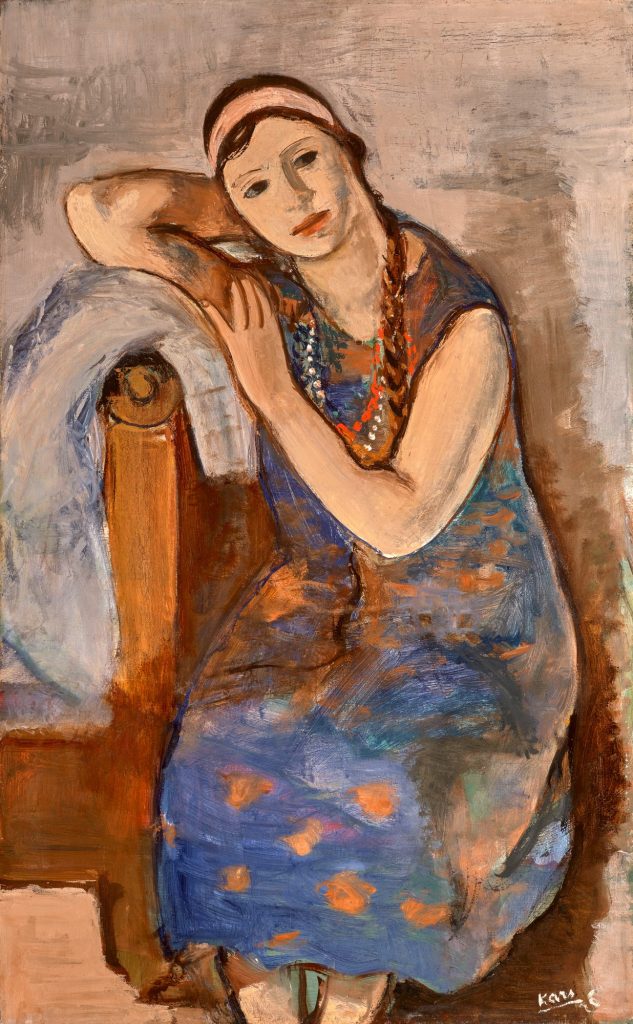
Life resumes; Kars returns to work and produces numerous charcoal drawings, including views of Lyon and the studio of the sculptor Georges Salendre, as well as the wedding at the synagogue of one of Aurélie Gottlieb’s daughters. At the same time, he painted portraits of his loved ones, as seen in *Madame Guy Monod* (1940), *Madame Kars* (1940), and *The Little Girl with Cherries* (1941). Current events found their way into his paintings despite himself; his palette grew darker, with grays and browns dominating the compositions. Nevertheless, the artist made several attempts to escape reality by painting *La Paysanne*, *The Red Odalisque* (1940), and *Young Woman with a Guitar*, in which the same female model can be recognized. In a burst of vitality, Kars’s works engage in a dialogue with Matisse’s *Odalisques*, painted ten years earlier.
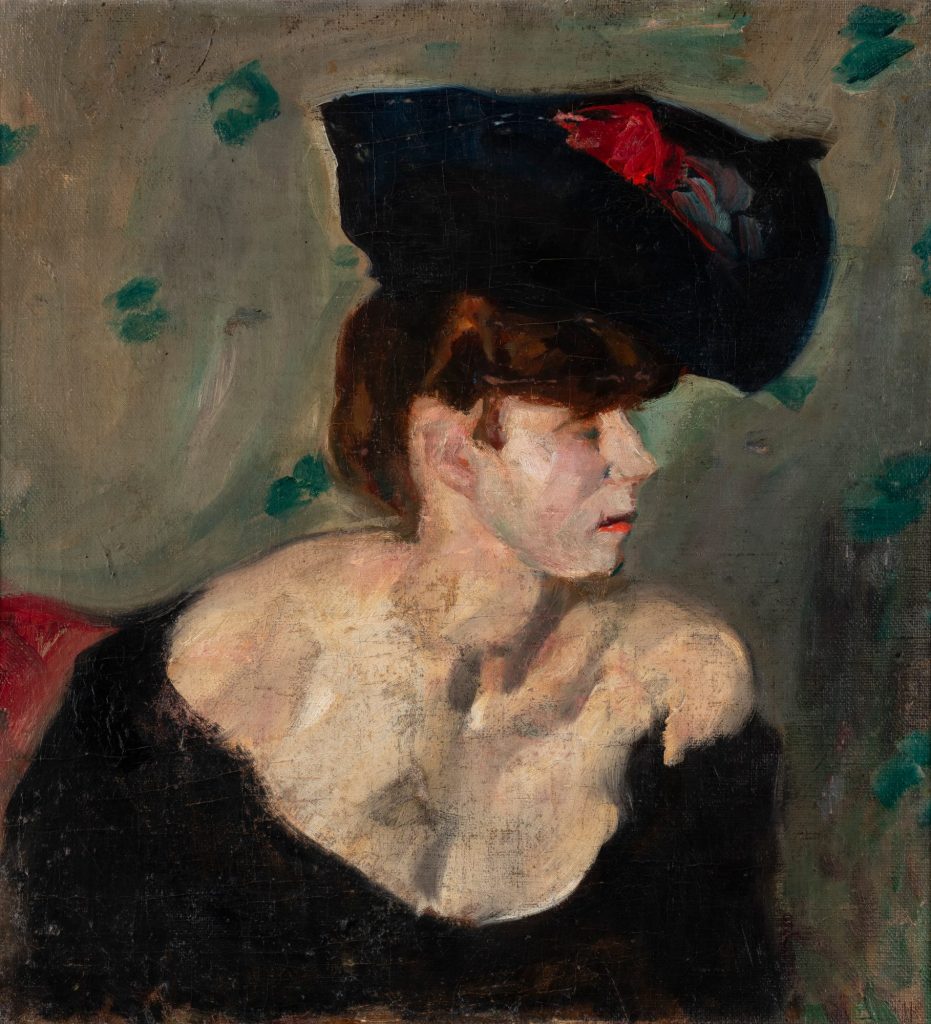
In 1941, Kars exhibited a series of drawings at the Galerie des Jacobins, located at 9 Rue Jean-de-Tournes in Lyon. The exhibition was organized and introduced by the Parisian gallery owner Katia Granoff, who had taken refuge at the Château de La Voulte in the Ardèche. In her memoirs, she notes: “In Lyon, I also brought together several magnificent drawings by Jiří Kars, an eminent Czech painter and longtime resident of Paris, in a small exhibition…”
In November 1941, among many other refugee artists, Kars participated in the Salon du Sud-Est in Lyon and exhibited *La Turque* (1938) alongside *The Little Slovak Peasant* (1938), which was acquired by the Musée des Beaux-Arts in Lyon.
In March 1942, the Galerie des Jacobins presented a new exhibition of Kars’s work, featuring recent pieces as well as older paintings. Here too, the catalog included a foreword by Katia Granoff, and *Le Figaro* reported on the exhibition.
By the summer, the situation for Jews had deteriorated. Following the Vel’ d’Hiv roundup on July 16 and 17, 1942, many secretly crossed the demarcation line to seek refuge in the southern zone. This was the case for Chana Orloff and her son Élie Justman, who joined Kars in the fall. Even in Lyon, the situation was becoming increasingly dangerous. Between August 26 and 29, 1942, 1,016 foreign Jews were rounded up by the French police. The danger loomed even closer on November 11, when the southern zone was occupied by the Germans. It then became urgent to flee once more, and Switzerland emerged as the best option, although crossing the border was risky since it had been officially closed.
Exile in Switzerland
While Georges and Nora had fled Tossa de Mar and Prague together, this time Kars decided to leave alone to protect his wife. Since she was not Jewish, she could remain in Lyon and would be more useful in France, where she could look after the works the painter was leaving behind.
On December 17, 1942, Kars, Orloff, and his son secretly left for Switzerland, using a safe route provided by their friend Louis Duclos, a police commissioner in Lyon’s 1st arrondissement and a member of the Resistance active in the Coq enchaîné network. The timing was perfect: since November 11, 1942, a directive from the Police Division had eased restrictions on the admission of all fugitives of French nationality, including Jews. This easing of restrictions was suspended as of December 29, 1942, and limited to families with a child under the age of six.
They took a relatively gentle path, but had to cross a stream at night. This was a major obstacle for Orloff and Kars, both sixty years old, and for Élie Justman, who suffered from the aftereffects of polio contracted as a child. While saving Justman from drowning, Kars lost his raincoat and Justman lost his shoe.
They crossed the border at night in Archamps before being arrested a few kilometers further on by Swiss border guards, who placed them under military custody and then handed them over to the Bernex gendarmerie. While Chana Orloff and her son were taken to the Charmilles camp and allowed to settle in Geneva the very next day, Kars’s situation was more difficult. The police report drawn up on the day of his arrest states that he had some financial resources and the potential support of his sister, Elsa, and her husband, Kurt Werfel, who lived in Zurich. It also mentions connections in the arts that might be able to help him. Kars was first taken to the Champel Val-Fleuri refugee camp near Geneva, which served as a screening center for illegal immigrants. After a week of waiting in fear of being deported, he was transferred on December 24, 1942, to Girenbad, a “sorting camp” under military authority, where refugees, awaiting the processing of their cases, lived in difficult conditions—without showers and sleeping on straw. The writers and intellectuals Boris Fraenkel, Manès Sperber, and Aby Wieviorka also stayed there in 1943.
The very next day after his arrival in Girenbad, Jaromír Kopecký, a member of the Czechoslovak provisional government in exile in London at the League of Nations, “requested [Kars’s] release and vouched for the costs of his stay in Switzerland.” Nevertheless, he was not released until February 6, and the money and jewelry he had taken with him when he fled were held as bail.
On the very day he moved in with his sister, he wrote to Chana Orloff to inform her of his release. Chana was both a loyal friend and an additional link to Nora. About fifteen letters between Kars and Orloff have been preserved by his family. In response to Kars’s first letter, the sculptor tells him that she has resumed her work, but the painter is still very weakened by his seven weeks of internment: “I will follow you shortly; my nerves are beginning to function normally. What still worries me is the lack of news from Nora. ”
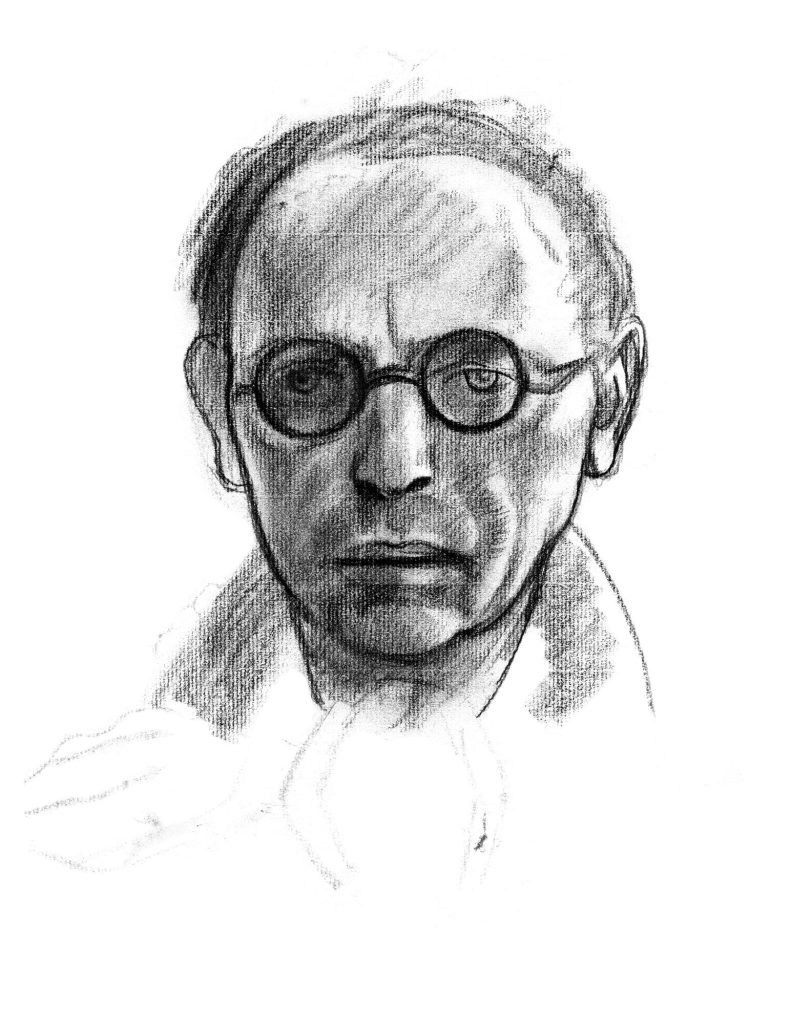
Kars set up his studio in a maid’s room above his sister’s apartment, but the situation for refugees was precarious, as Switzerland did not allow them to work, and foreign artists—unable to exhibit or sell their works—found themselves without income. In his letters to Orloff, Kars repeatedly returns to his financial difficulties: “It’s always the question of money that thwarts all my best intentions. If I had money, I’d buy paints and the supplies I need for painting. I don’t have the knack for asking anyone for help. Besides, I’m not allowed to work outdoors, so how am I supposed to find a model? ,” “I don’t have a penny; my only regret is that I can’t buy canvases.” Chana Orloff provided Kars with financial support. On March 26, he thanked her for “sending palette paints and brushes via Mrs. Lipsi.”
In their correspondence, Kars and Orloff exchanged news about their loved ones. They share the same sadness upon learning of the arrest of Aurélie Gottlieb, followed by the death of Chaïm Soutine. Having heard nothing from his brother Hans, his cousins, or his uncles since their deportation from Prague to Poland, Kars asks her to intervene with Marc Jarblum and the Red Cross in Geneva to try to obtain information about the deportees’ destination.
In Zurich, he socialized with the sculptors Germaine Richier and Morice Lipsi. Although he spoke German fluently, he suffered from isolation and worried about Nora. She assisted the resistance network by translating administrative and military documents into German—the contents of which were thus quickly relayed to the authorities in London—and by sheltering fellow Czechoslovaks who were members of resistance organizations. In his letters, he sought to reassure her: “I’ve settled into a small studio that I’ve transformed entirely to my liking. You know that once I start working, I can’t stop.” June 30: “Drawing and sculpting bring me such joy, perhaps more than ever before in my life.” On July 5, he enthuses: “I’m short on supplies, but I have a splendid model—all the painters are vying for her. ”
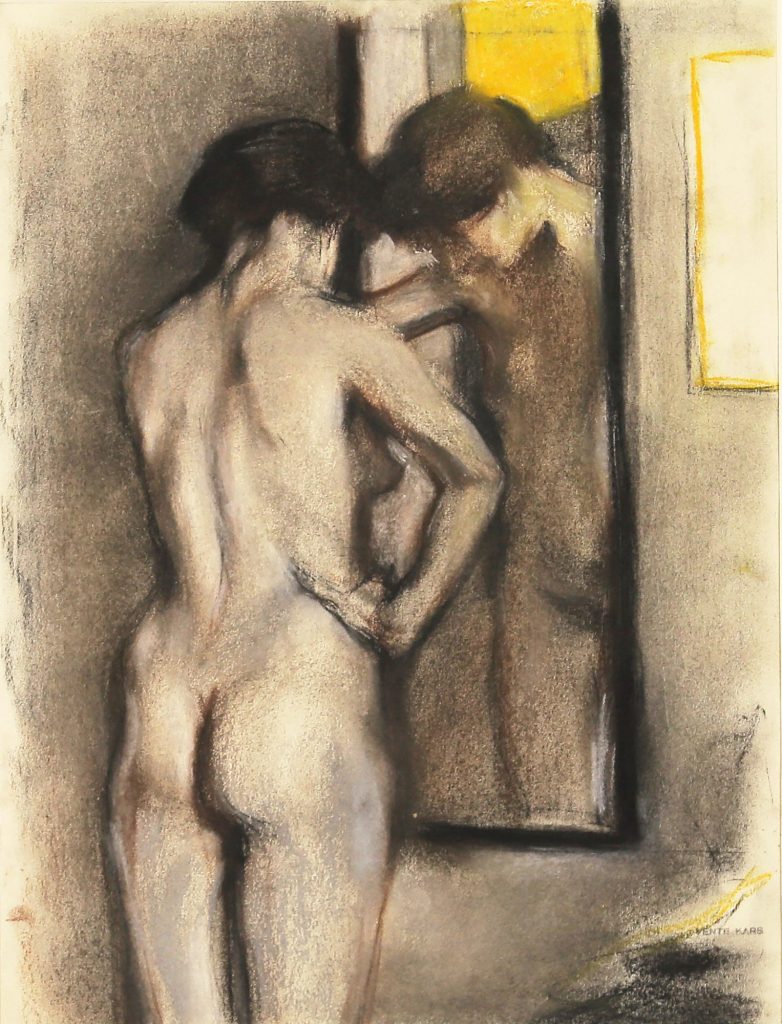
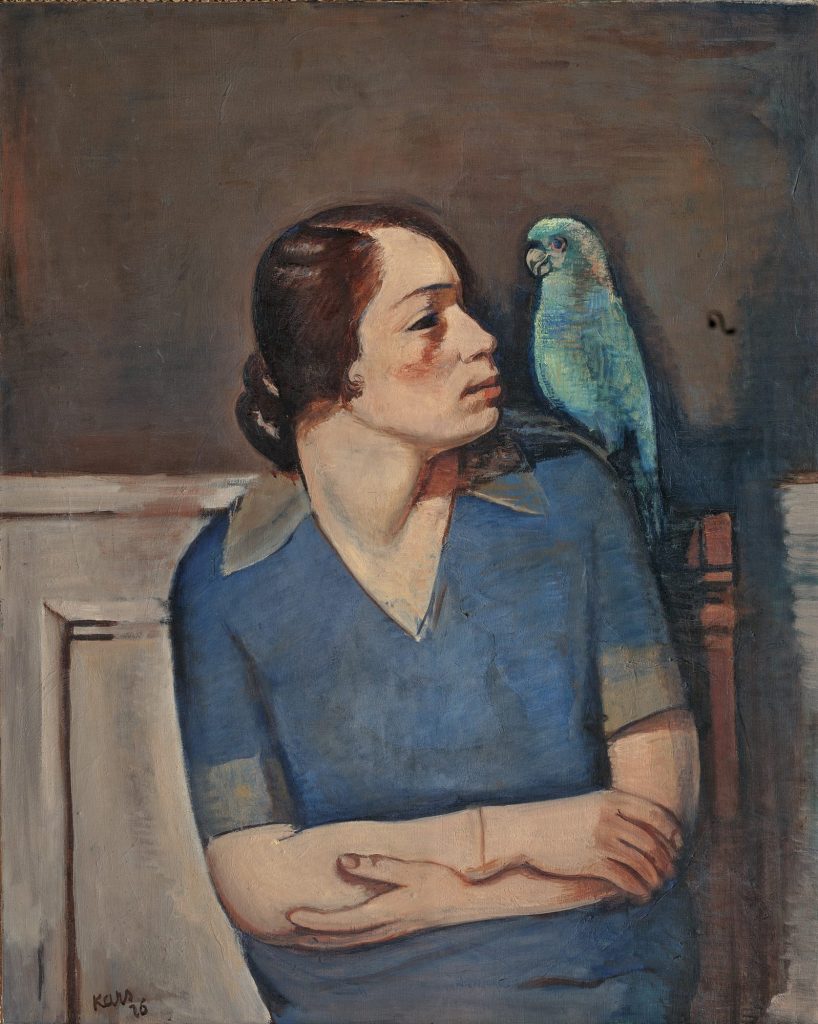
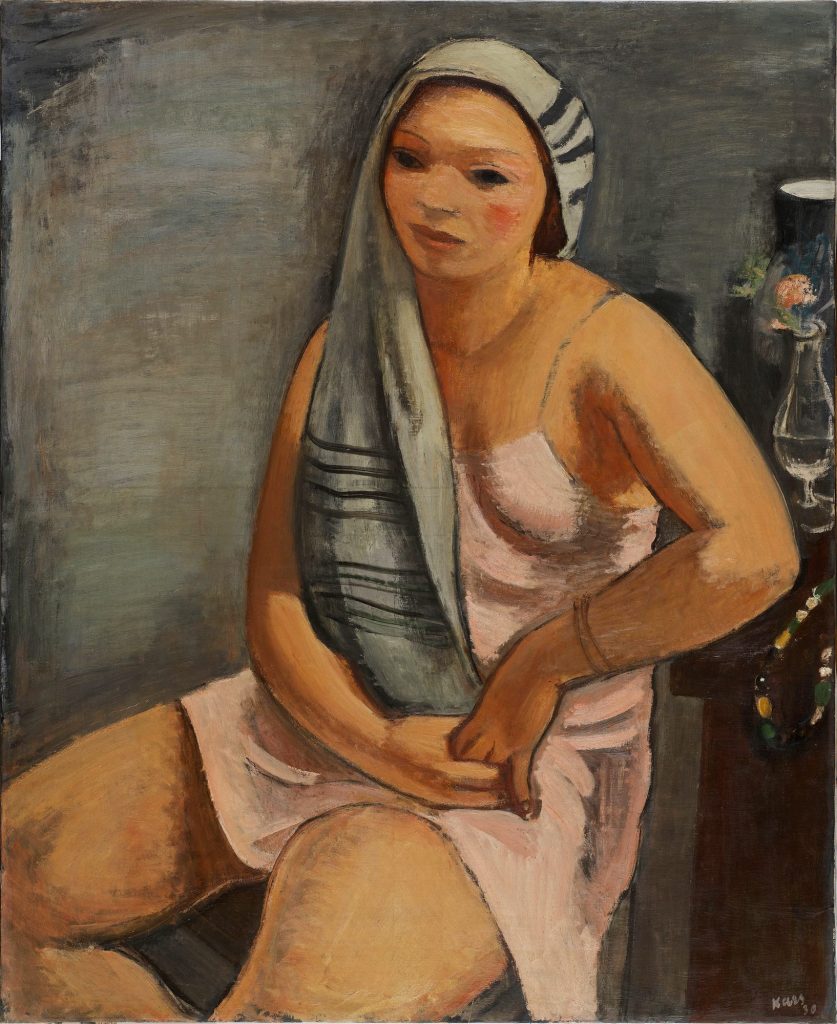
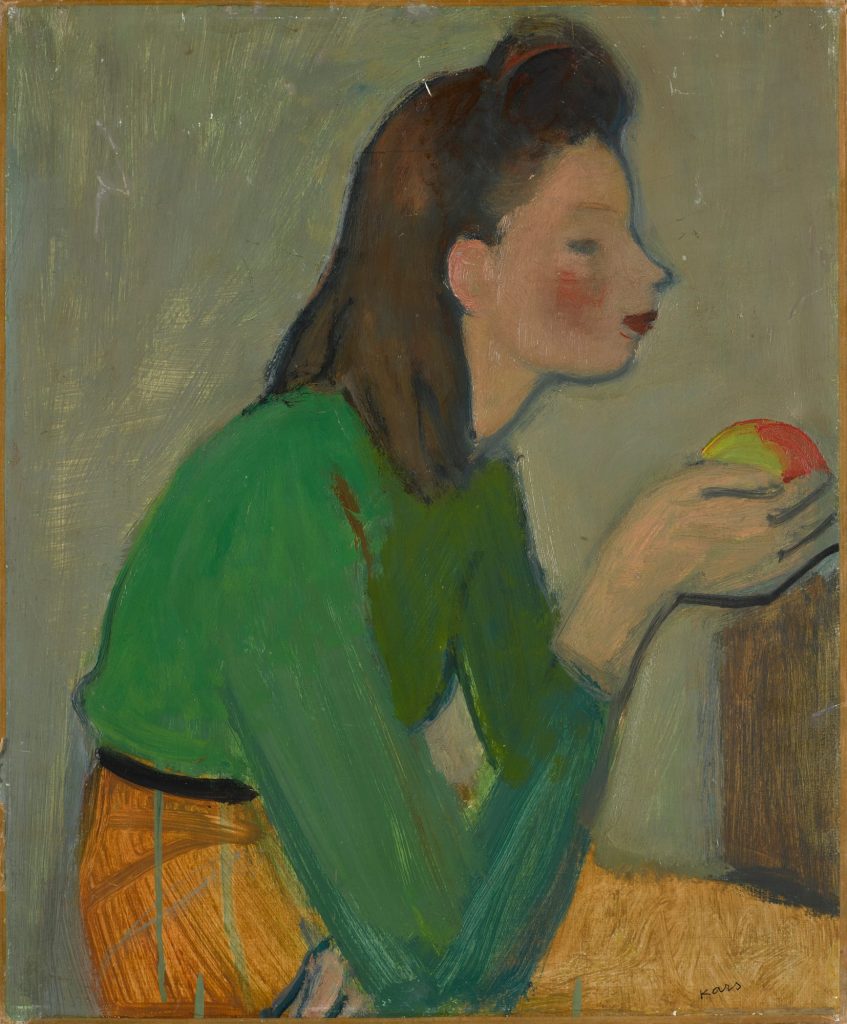
A series of female nudes in charcoal indeed attests to a surge of creative energy in 1943. He also resumed creating small sculptures depicting female nudes—plaster bas-reliefs small enough to hold in one’s hand. Between 1943 and 1944, Kars produced several paintings on cardboard, such as *The Young Girl with an Apple* and *The Chess Players*, which exude a profound melancholy. With *Woman with a Parrot* and *Nude*, Kars gradually moved away from modeling the body, elongating the female silhouette to the point of distortion.
Sadness and melancholy gradually gave way to a chronic depressive state. His correspondence with Chana Orloff—unfortunately very incomplete—reveals that he was hospitalized for several months in Zurich beginning in July 1943. His mental health appears to have deteriorated. The letters that have survived focus more on his obsessive search for the overcoat he lost while crossing the border than on his painting. In December 1943, he spent a few days in Geneva and sent his best wishes to Chana, hoping that victory would not be too long in coming. But by April 1944, he seemed depressed once again. He wrote to her to thank her for putting him in touch with a businessman who wanted to exhibit his work at the Palais de l’Athénée in Geneva, and to complain about the financial terms offered. In a cynical and mocking tone, he explained that he would not exhibit “for free.” No project met with his approval.
The Allies landed in Normandy in June 1944. Paris was liberated on August 25, 1944. But what remained of the world of yesterday? Kars had heard nothing from his family, who had been deported from Prague, and his friends had disappeared: the painter Louis Marcoussis had died in Cusset in 1941; Max Jacob had not survived his internment at Drancy; Rudolf Lévy and Moïse Kogan had been deported. On January 18, 1945, Kars sent a final letter to Nora announcing his imminent arrival in Lyon and mailing her the works he had created in Switzerland. He added: “My nerves are not what they used to be.” That same day, he wrote to Chana Orloff: “With great difficulty, I am preparing for my return. I never would have thought that this return would be so difficult […] my heart and my nerves have been suffering for weeks, but we must keep hope alive. ” But hope had left him. News of the liberation of the extermination camps at Belzec, Sobibor, Treblinka, and finally Auschwitz in January 1945 provided evidence of a genocide of inconceivable magnitude.
Georges Kars took his own life on February 5, 1945, by jumping from the fifth floor of the Hôtel Touring-Balance in Geneva. He left no letter explaining his actions, but how can one not think of the words of the writer Stefan Zweig on the eve of his suicide in February 1942: “ You know how weary of life I had become since losing my homeland […] and could no longer find true life in my work, living as a nomad and feeling myself grow older more through inner suffering than through the passing of the years.” In his *Declaracão*, he adds: “But at sixty, it takes special strength to start over once again. And mine have been exhausted by these long years of wandering without a homeland.” In many respects, the trials endured by the painter and the writer were similar. In her memoirs, Katia Granoff writes about Kars: “This sensitive soul, once Liberation came, refused to wipe the slate clean and forget everything that had happened. A refugee in Switzerland, at the end of his tether, he would not accept the quiet life that was once again offered to him.”
Pascale Samuel
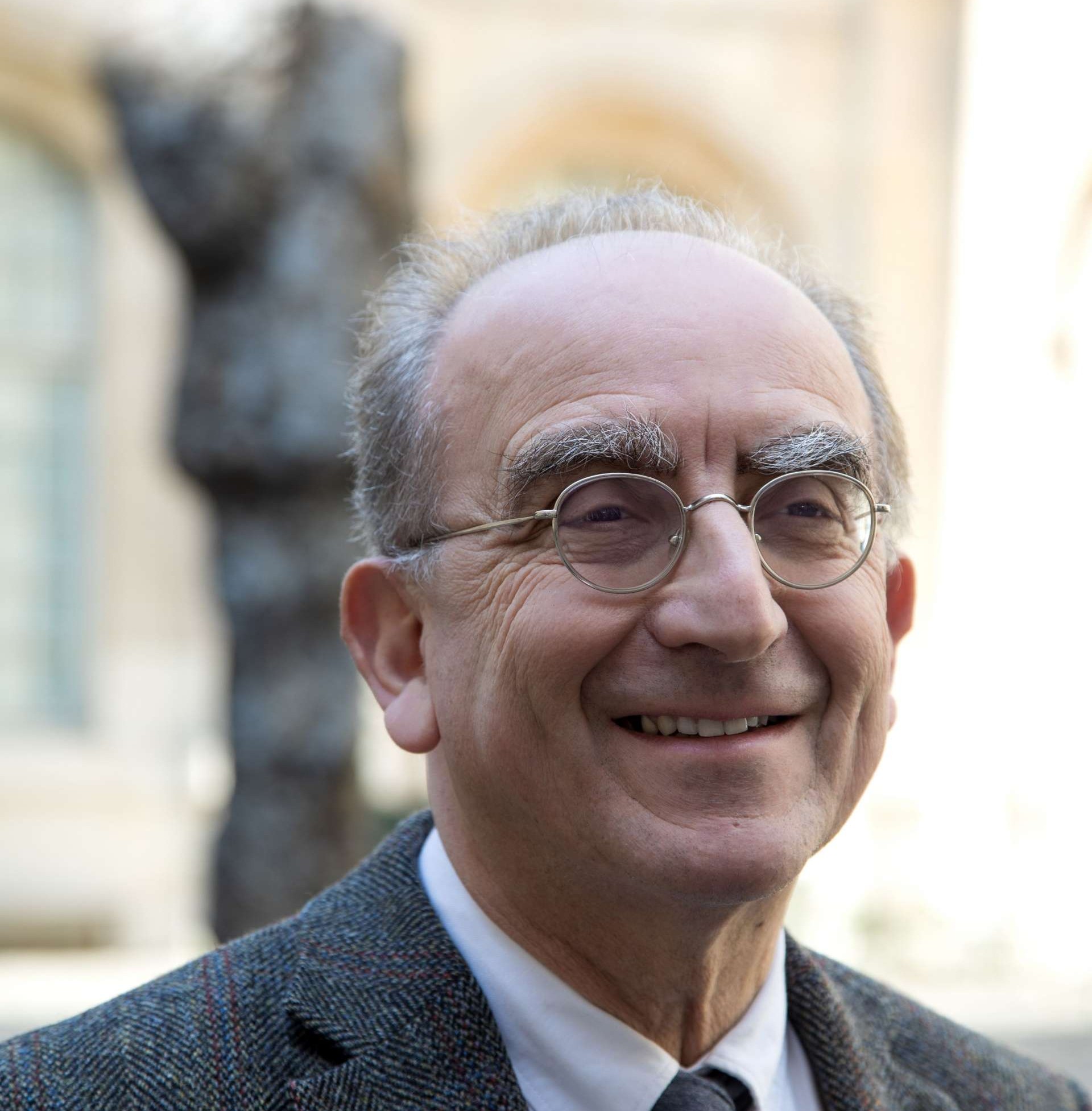
Paul Salmona
Director of the Museum of Jewish Art and History (Paris)
Pascale Samuel
Pascale Samuel est conservatrice du patrimoine responsable de l’art moderne et contemporain au musée d’art et d’histoire du Judaïsme (mahJ), où elle a été notamment commissaire des expositions « Chagall, Modigliani, Soutine... Paris pour école, 1905-1940 » (2021), « Si Lewen, Parade » (2021-2022), « Nouvelles venues » (2024-2025), « Le Dibbouk. Fantôme du monde disparu » (2024-2025). Depuis son arrivée au mahJ en 2019, elle invite chaque année un artiste à y produire une œuvre. S’y sont ainsi succédé Rainier Lericolais, Dove Allouche, Mili Pecherer, Joseph Dadoune, Jérôme Zonder et Pascal Monteil.