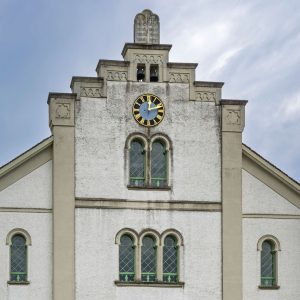
Photo Essay: Belmonte, a Judaism That Has Remained Alive
In a village nestled in the heart of the Serra da Estrela, some fifty descendants of Marranos continue to uphold, five centuries after the forced conversions of the Inquisition, a Jewish identity that was long lived in secret. Between the Beit Eliahu synagogue, inaugurated thirty years ago, and the museum that chronicles the prayers whispered in secret, Belmonte offers a unique case in Europe: that of a clandestine past that has become cultural heritage. Text by Evelyne Dreyfus, photos by Eric Beracassat.
At the end of the 15th century, the Jews of Portugal were forcibly converted to Catholicism. Five centuries later, in Belmonte, a village in the Serra da Estrela in central Portugal, a community descended from these “conversos” or Marranos still exists. For nearly five hundred years, these families have continued to practice Judaism in secret.
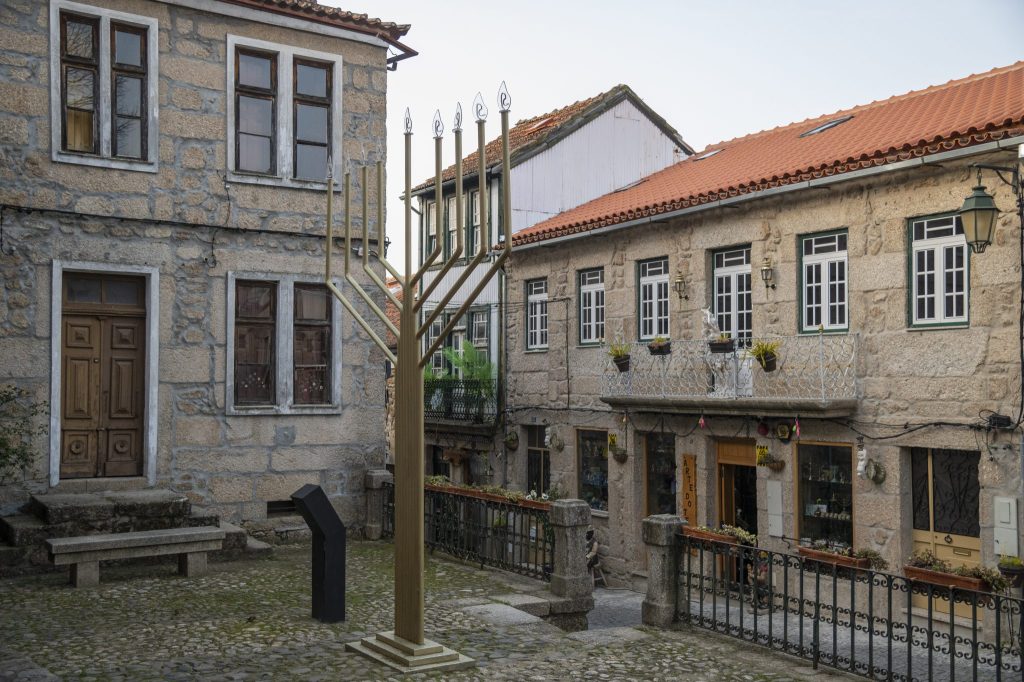
Only about fifty people remain, but the historical continuity is exceptional: some families can trace their history directly back to the era of forced conversions and the Inquisition. This tradition of secrecy, maintained for generations, has left its mark on today’s descendants, who speak little of their history. “They are Jewish, that should be enough for you,” people sometimes say. What happens behind closed doors is their business alone.
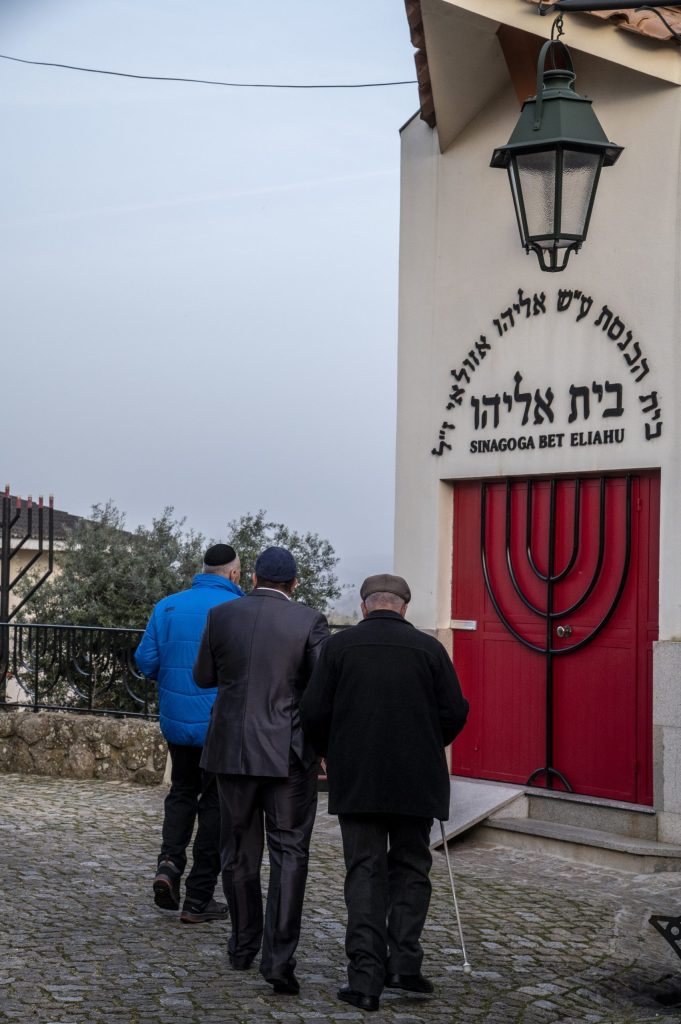
In 1996, the Beit Eliahu synagogue was inaugurated with the support of Salomon Azoulay, a Moroccan businessman. It marked the return of visible Jewish practice after centuries of secrecy, even though some descendants have emigrated to Israel and others have remained Catholic. According to Pedro Diogo, president of the Jewish community of Belmonte, services are held there daily, and a minyan gathers for morning and evening prayers, as well as for Shabbat and major holidays. Some books explain the fundamental differences between Christianity and Judaism in just two pages.
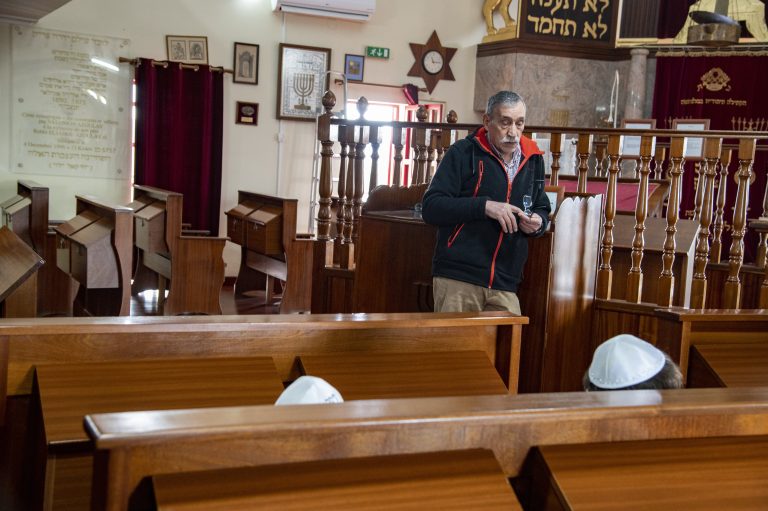
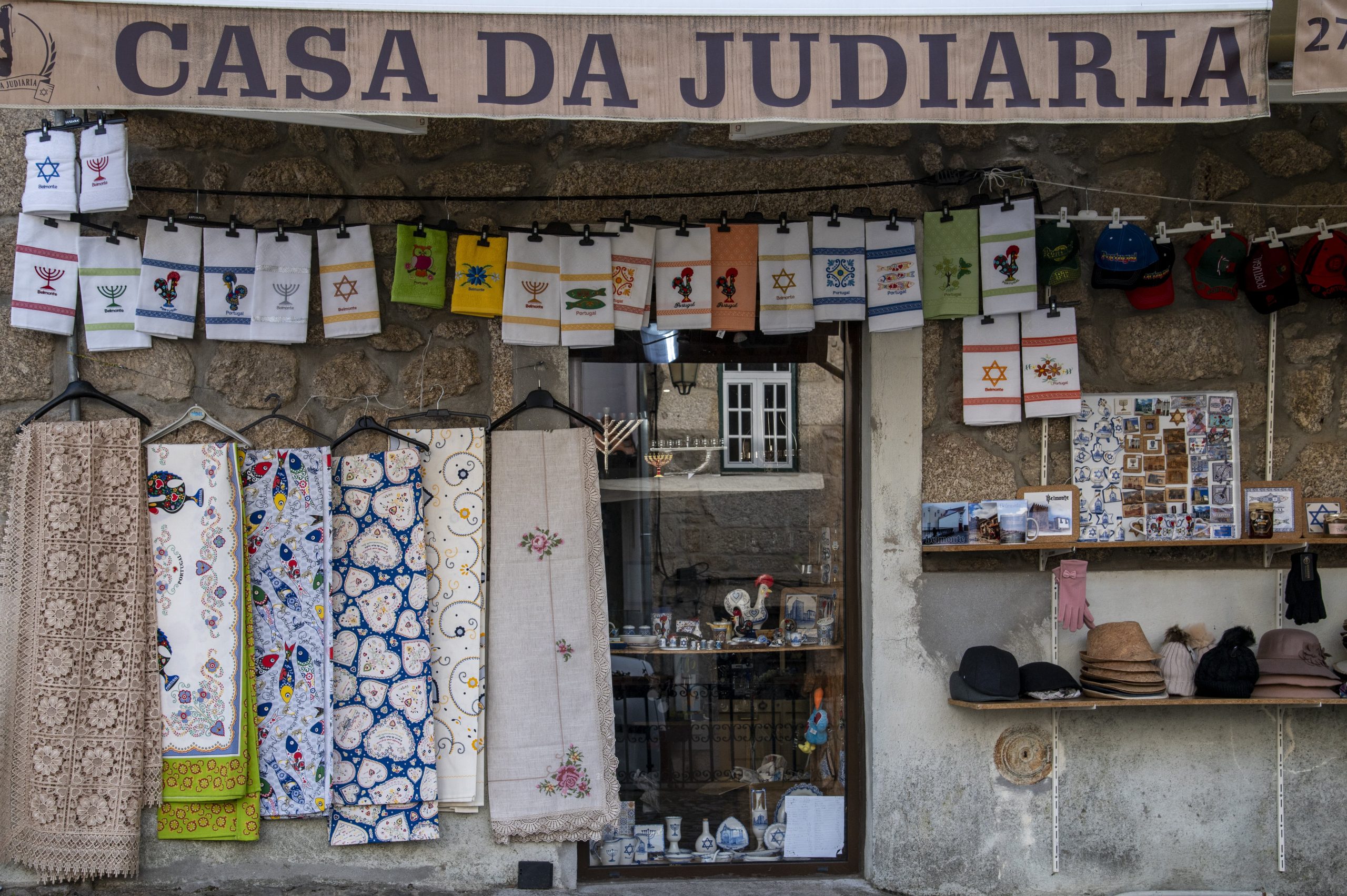
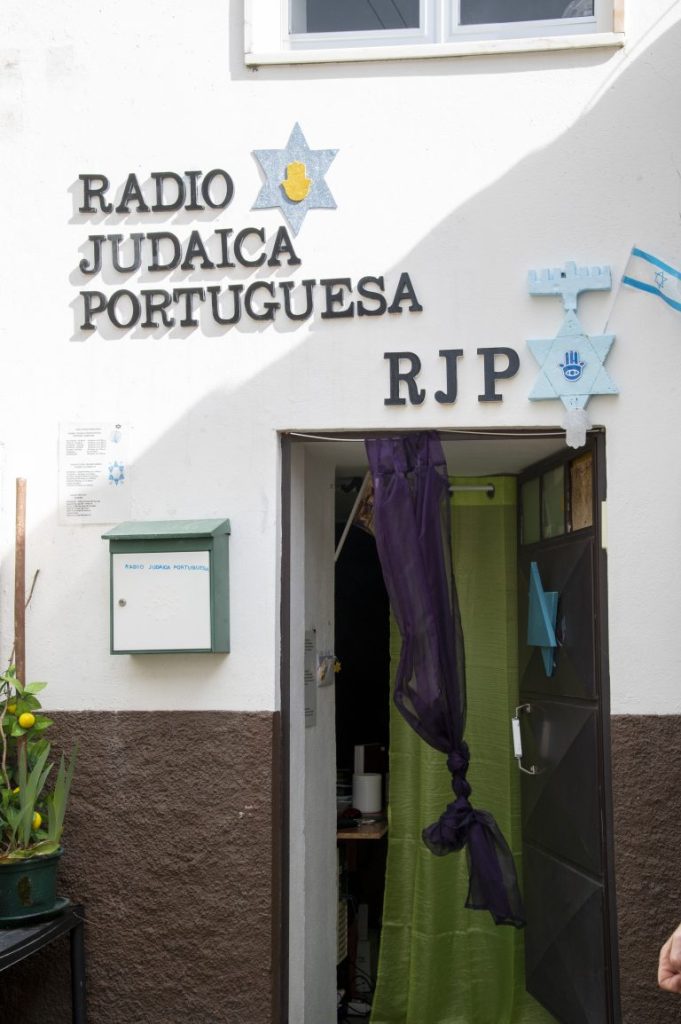
This Jewish presence is not limited to the synagogue. Belmonte has a local Jewish radio station and several businesses tied to this heritage, including the Casa da Judiaria, which sells books and religious items. These establishments remain modest: the village has not become a tourist showcase for a vanished Judaism, but rather a place where this history is still finding its place.
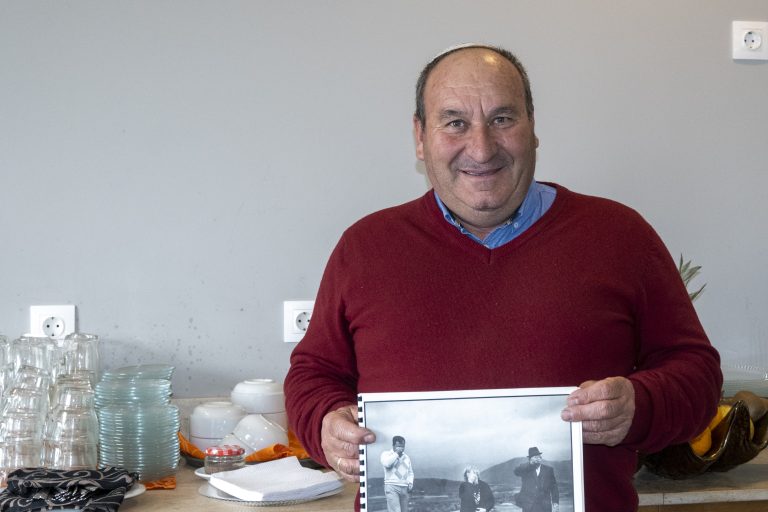
The Belmonte Sinaï Hotel, founded by Alipio Diogo Henriques, a descendant of a Marrano family, is one of the most visible signs of this. Its restaurant offers kosher dishes upon request and welcomes visitors who come to learn about this history. The hotel illustrates both the revival of the local Jewish presence and the growing role that this heritage plays in the village’s economy.
A must-see and enlightening visit is to the Jewish Museum of Belmonte. The museum is municipally run and has been open since 2005. This modern and educational exhibit tells the story of families who preserved their traditions in secret: prayers passed down orally by women, festivals celebrated in attics, cellars, or forests, and weddings held in two stages, first in church to avoid arousing suspicion, then according to Jewish rites within the family.
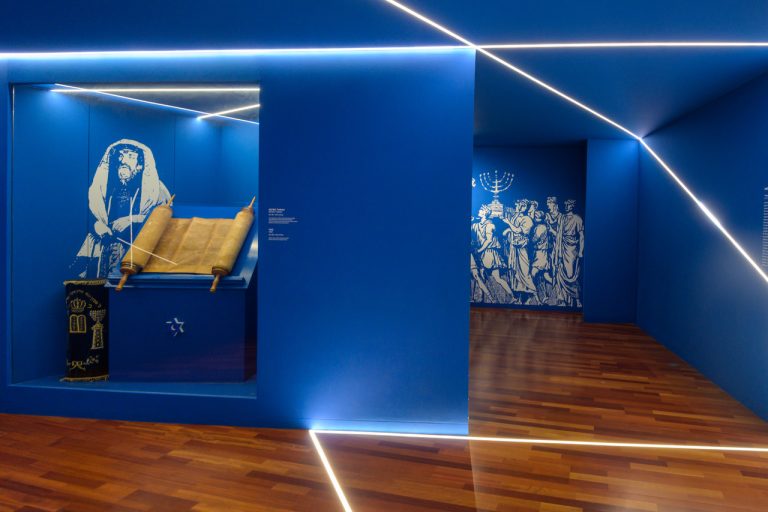
It traces the fate of these “Marranos” or crypto-Jews who, following the persecutions of the Inquisition, continued to practice their religion in secret within their homes. Behind the display cases, artifacts tell the story of this discreet resistance: a pocket-sized mezuzah, small enough to be concealed; Hanukkah menorahs and other ritual objects; and even a Sefer Torah dating back more than 400 years.
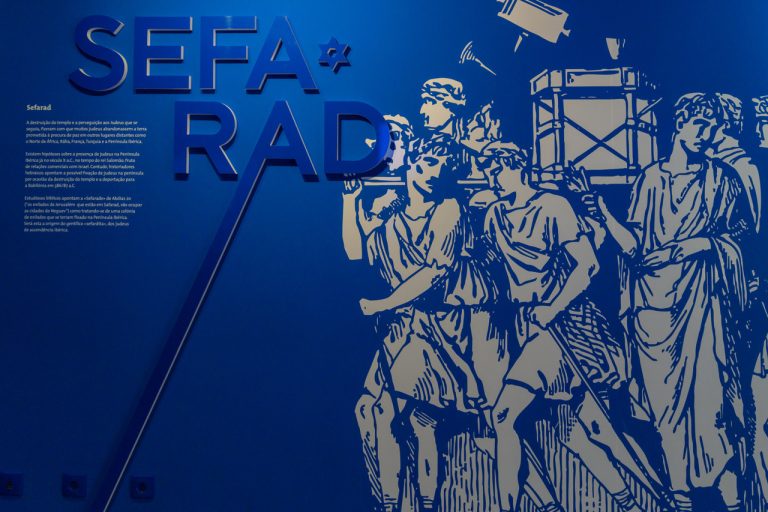
Through its exhibits, the museum also reveals the everyday gestures and objects that have allowed an identity to endure across the centuries. With nearly 30,000 visitors a year, it has become one of the major sites commemorating Jewish history in Portugal.
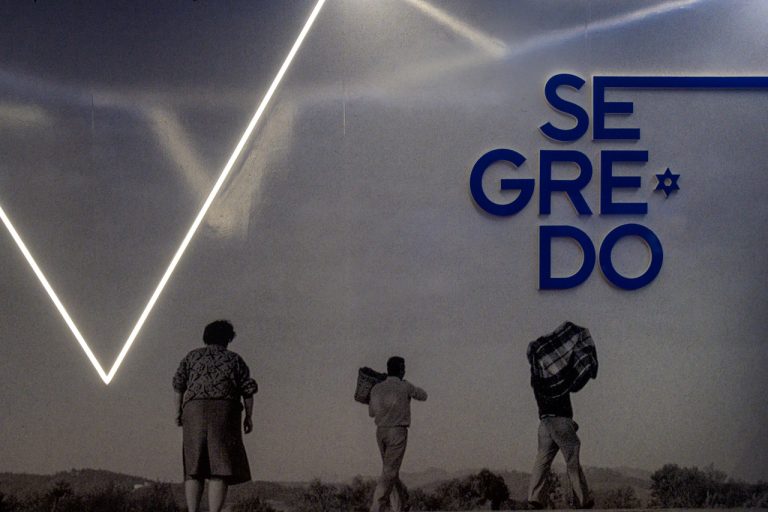
Traces of this past remain in the village. Some doors still bear notches marking the spot where a mezuzah should have been affixed.
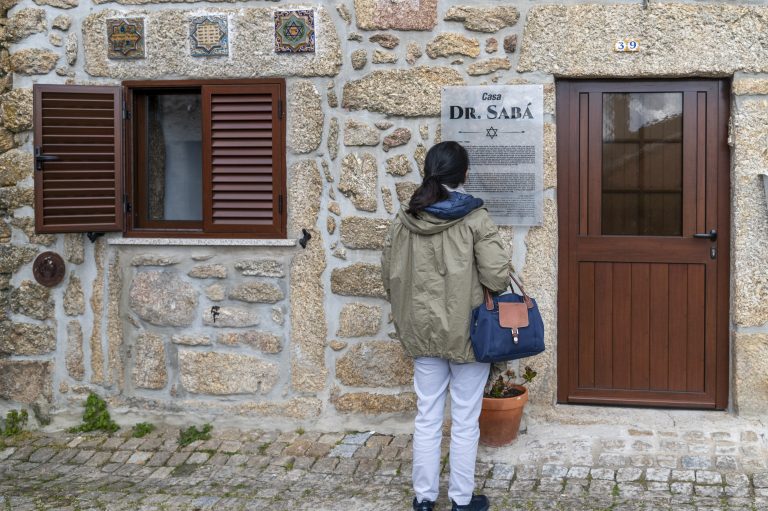
According to the late historian and journalist José Levy Domingos, some residents used to place their hand on the door as they left their homes and turn toward the East to recite a short prayer asking for protection of the house “against persecution and against the Inquisition.” This gesture has been passed down through several generations.
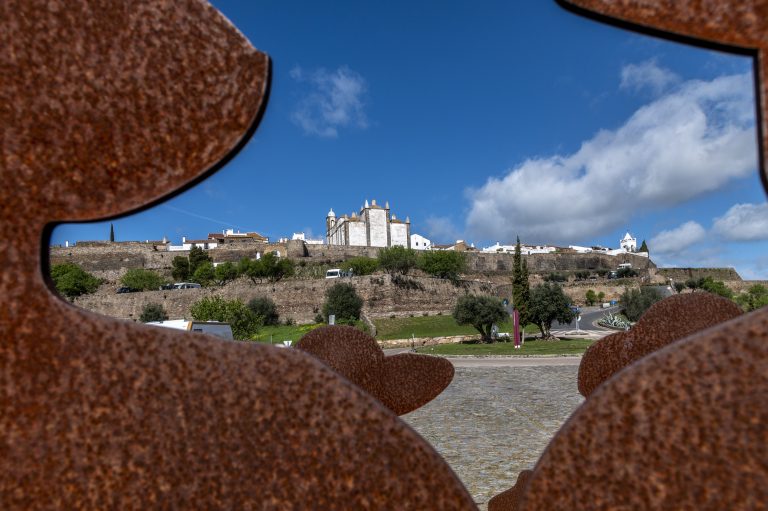
To avoid being denounced, some preferred to carry their mezuzah on their person rather than display it. Several elders continue to recite, alongside the Hebrew prayers in the synagogue, ancient family prayers inherited from that period. Until the end of the 20th century, this secret was preserved by both the Jewish residents and their Christian neighbors, who were nevertheless aware of their religion: in Belmonte, it was (and remains, to a certain extent) a shared secret.
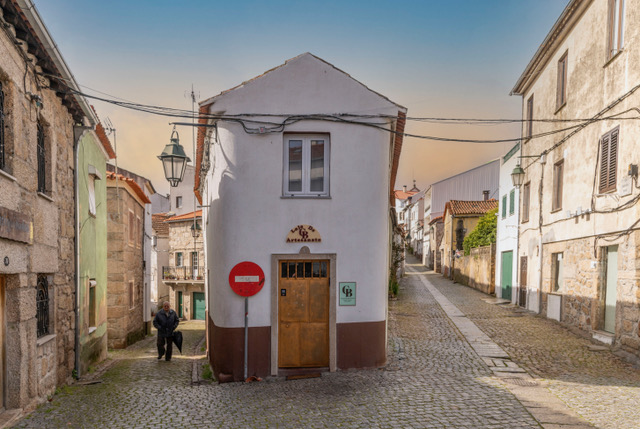
The case of Belmonte is unique: for five hundred years, in a country where the Inquisition had banned Judaism, families maintained a clandestine Jewish identity. This community was later officially recognized as Jewish by the Chief Rabbinate of Israel in the 1980s. What had once been a secret has now become part of public memory.
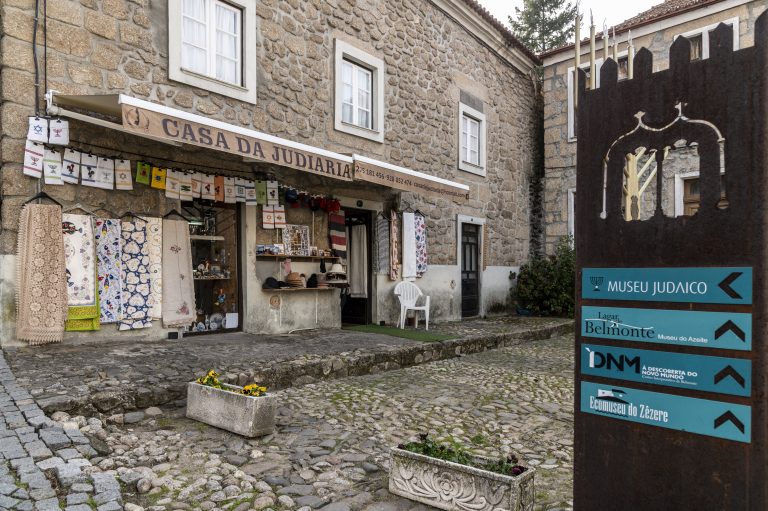
Unlike other Iberian Jewish centers such as Toledo, Córdoba, or Girona, which have preserved their buildings but lost their communities, Belmonte presents the opposite situation: the community has dwindled but still exists, and its heritage contributes in part to its economic vitality.
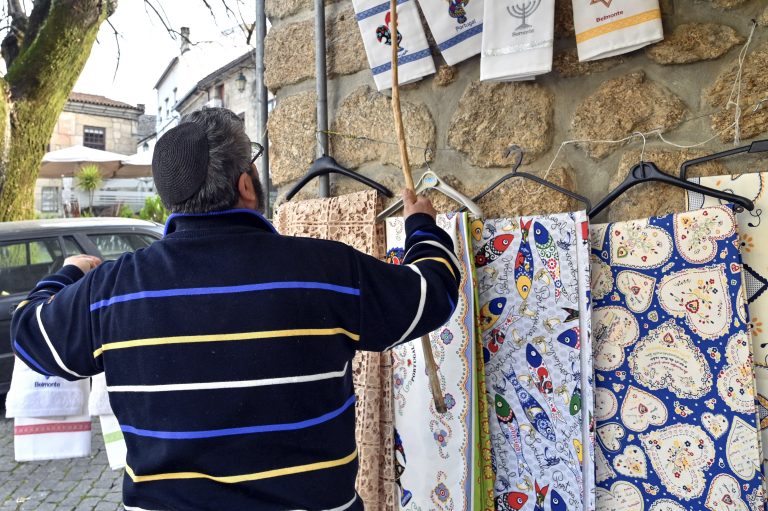
We owe it to Samuel Schwarz, an engineer from the École des Mines on assignment in Portugal, for documenting, particularly during his 1917 stay, the existence of these crypto-Jewish families. In doing so, he revealed an almost unique form of religious continuity in Western Europe: a Judaism without a synagogue, without a rabbi, and with almost no books, sustained solely through family tradition.
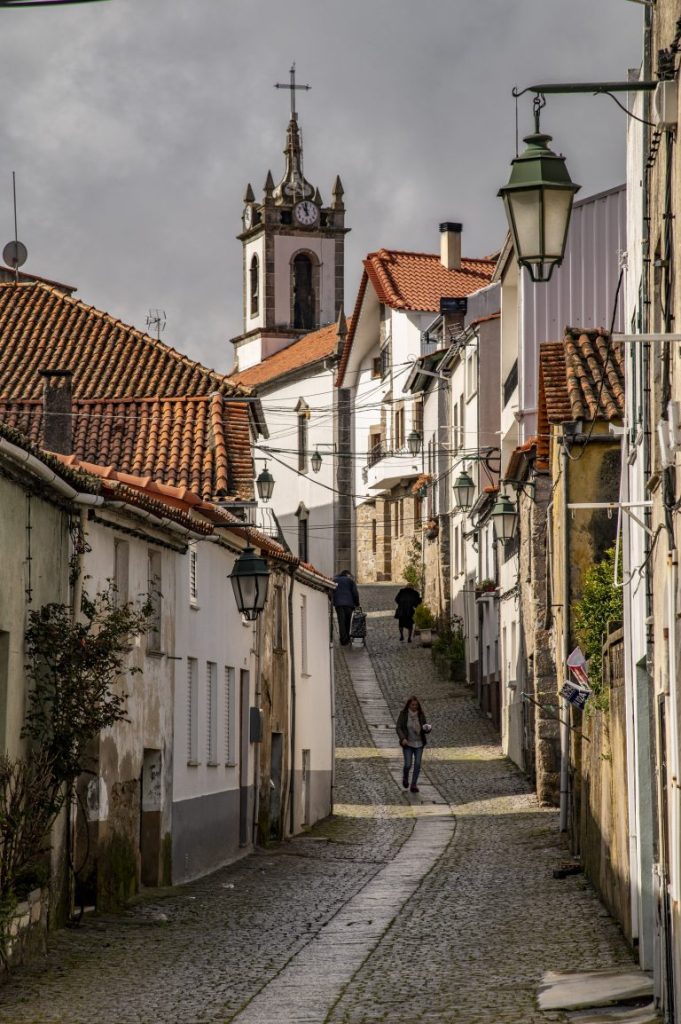
Even today, many Portuguese consider themselves descendants of Marranos, in a country where the Jewish population remains small, despite the revival of the communities in Porto and Lisbon.
Watch or rewatch the documentary by Frédéric Brenner and Stan Neumann, Les derniers Marannes (1988), a film that brought to light the last remaining ritual practices of this community.

Evelyne Dreyfus & Eric Beracassat
Éric Béracassat is a photographer born in Paris and raised in Casablanca. He began his career as a journalist at AFP and is now a photographer represented by the Gamma-Rapho agency, a member of the Hans Lucas agency. His current areas of expertise include tourism (in all its diversity), internal security, health, lifestyle, and economics. Évelyne Dreyfus is a journalist. She worked in public service in Alsace (France 3 radio and television) before collaborating in the field of classical music with leading conductors. Returning to print media, she has held various positions as section editor and editor-in-chief. Author of the documentary ‘Les Fantômes de Kippenheim’, she recounts the return, 60 years later, of German Jewish survivors to their native village. Today, she devotes herself to the tourism press.