Feature: After Orbán’s Defeat
After losing the parliamentary elections, Viktor Orbán has relinquished power. To understand what this regime meant for Hungary’s Jews, one must grasp the plan it had laid out for them: to make them—or a carefully selected fraction of them—allies of a reactionary national-religious bloc, offering them protection and funding in exchange for a loyalty that came at a price. This required endorsing the rewriting of the memory of the Shoah and choosing sides between the “good” Jews—religious, nationalist, pro-Israeli—and the “bad” ones, heirs to a liberal tradition that the regime equated with subversion. János Gadó, editor-in-chief of Szombat magazine and a tireless observer of Hungarian Jewish life for thirty years, unpacks the mechanisms of this unwritten pact in three essays. In A New Deal for Hungary's Jews, he traces its origins since 2010: the war of memory surrounding the Shoah, the strategic alliance with Netanyahu, and the rise of the Chabad movement as the regime’s transmission belt. In Hungary: The Price of Tranquility, written on the eve of the 2022 elections, he shows how Orbán has exploited the accusation of antisemitism as an electoral weapon, turning the very language of the struggle against the opposition back on them. In *Jews and Antisemites in Viktor Orbán’s Country*, published after October 7, he assesses a system that had kept a lid on the demons it had itself helped to awaken. The two other texts in this dossier offer an insider’s perspective on Hungarian destinies. In From Máramarossziget to Manchester, Stephen Pogany traces the tribulations of Nóra, his maternal grandmother, immersed in the Hungarian Jewish world of the early 20th century: with the rise of antisemitism and World War I, hopes of integration into the Magyar nation crumble. It is the beginning of a long odyssey. In Last Words, Philip Schlesinger draws on the testimonies of his parents—their flight from Hungary and then from Nazi Austria, and the difficulties of integrating into British society—to portray an identity caught between two worlds, in an uprooted union where belonging is never a given.
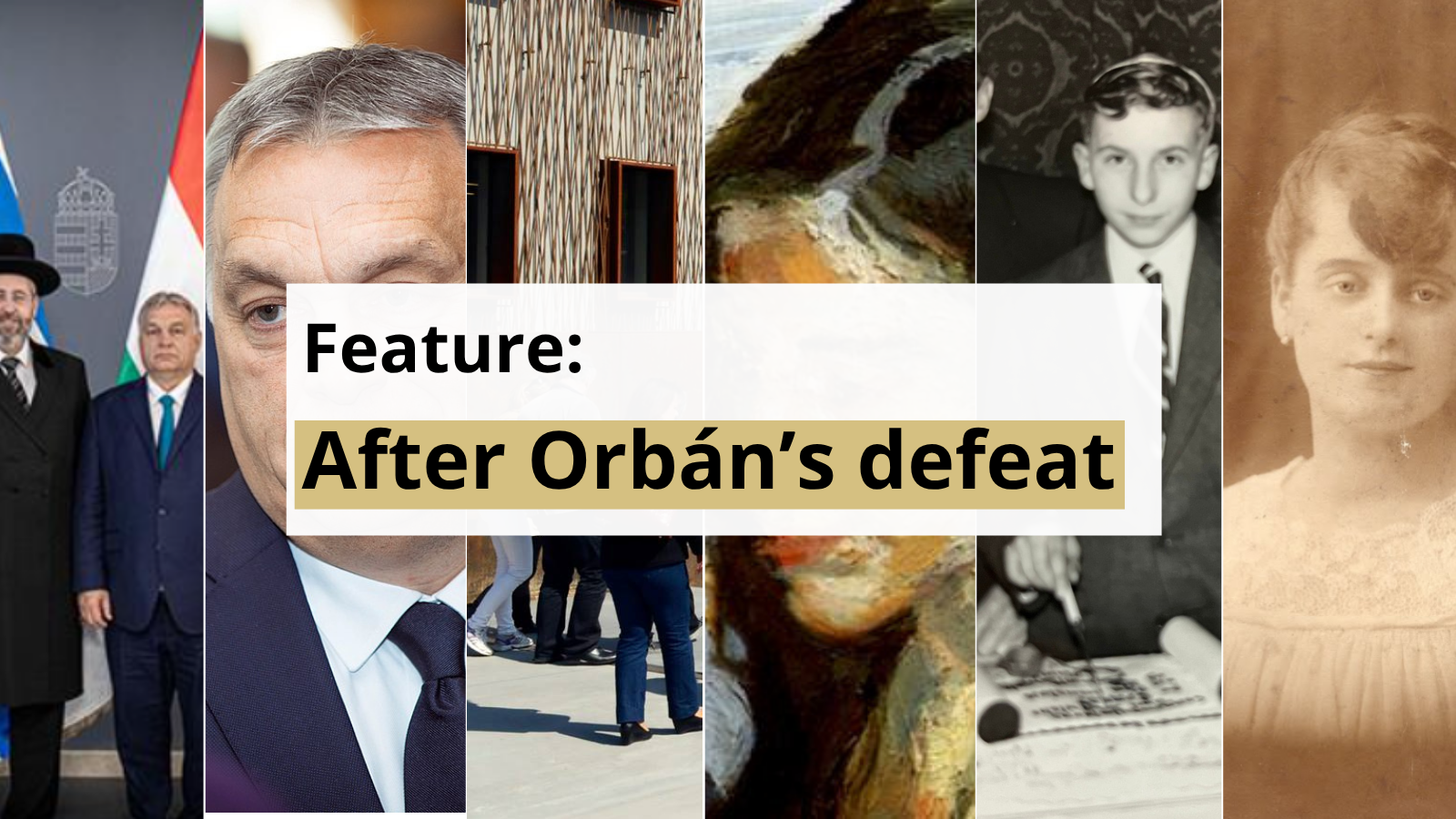
Hungary: The Price of Tranquility
By János Gadó
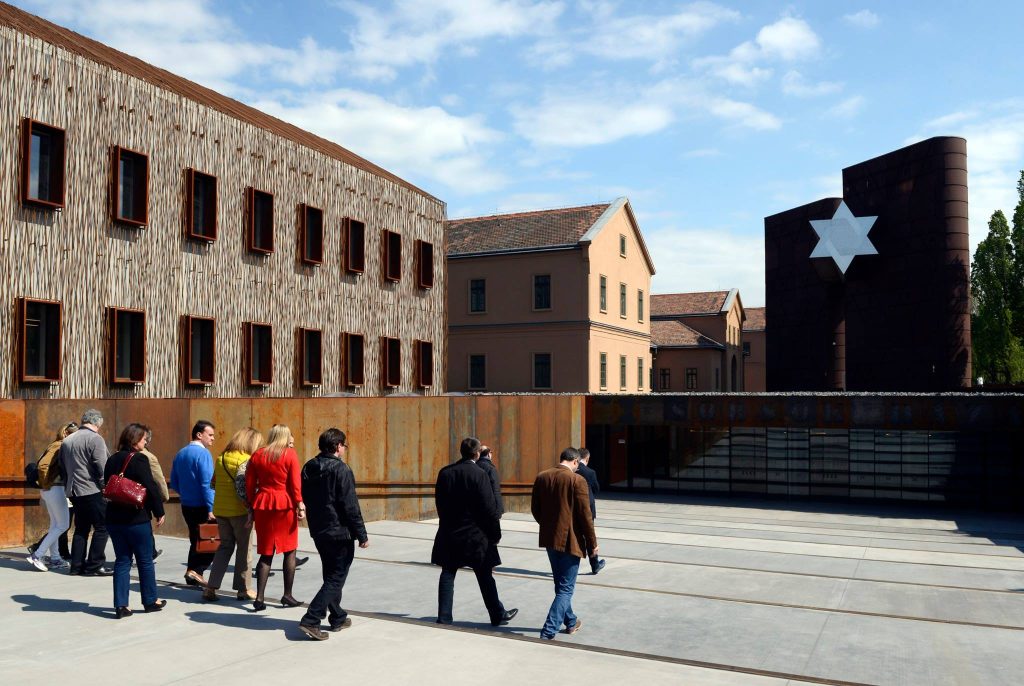
Hungary will hold parliamentary elections on April 3. The campaign has been marked by numerous accusations of antisemitism against the opponents of the current government. On the other hand, the current government is the main defender of Jews on the European continent. Journalist János Gadó describes the centrality of Jewish issues in contemporary Hungary and how Hungarian Jews are divided in the face of a government that seems to want to trade their protection for a rewriting of the role of Hungarian nationalism in the Holocaust.
Jews and antisemites in Viktor Orbán’s country
By János Gadó
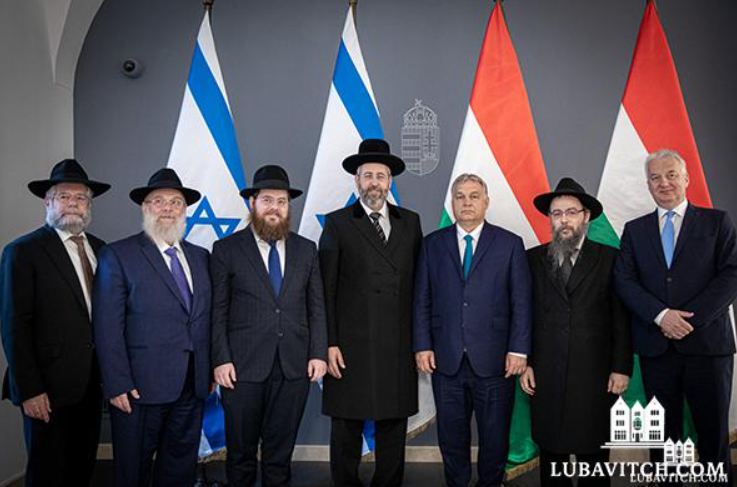
Hungarian Prime Minister Viktor Orbán stands out for his systematic opposition to the EU’s dominant values and policies. So it’s hardly surprising that, since October 7, he has stepped up his support for the Israeli state, not hesitating to label the slightest criticism from his European partners as antisemitic. Here, János Gadó lucidly analyzes the paradoxes of a government which, while trying to pass itself off as a friend of the Jews, traffics in the memory of the Holocaust and recycles the most hackneyed antisemitic tropes.
From Máramarossziget to Manchester: A Jewish Journey
By Stephen Pogany
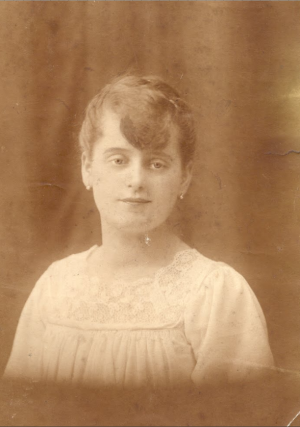
From the unpaved streets of Sziget to the affluent suburbs of Manchester, Stephen Pogany traces the remarkable, often harrowing journey of Nóra Platschek, a Jewish woman whose quiet resilience defied war, exile, and loss. Through family records, personal memories, and historical insight, this deeply human narrative challenges antisemitic myths and reclaims the dignity of ordinary lives swept up in extraordinary times.
Last Words
By Philip Schlesinger
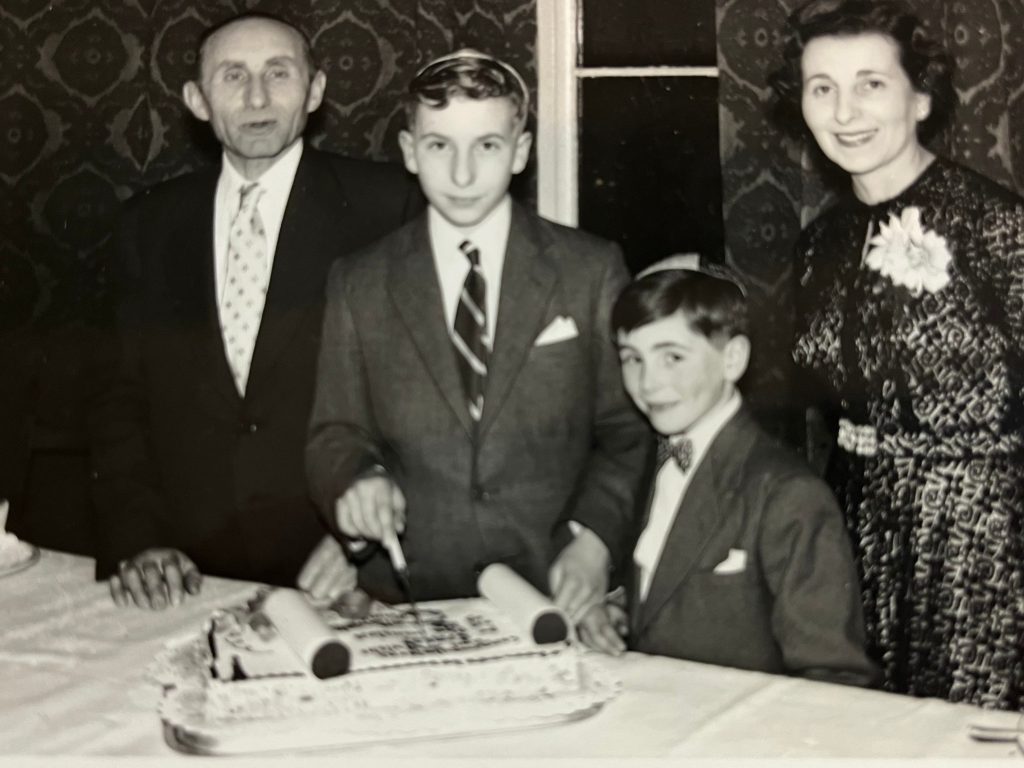
In Last Words, Philip Schlesinger weaves a deeply personal narrative about the final moments of his parents’ lives, Béla and Martha Schlesinger, Jewish refugees who escaped Nazi persecution. Their poignant last words recount their early lives in pre-war Europe, marked by war, displacement, and resilience. As Schlesinger reflects on their stories, his own identity emerges—torn between his British upbringing and deep-rooted European heritage.
A New Deal for Hungary’s Jews
By János Gadó
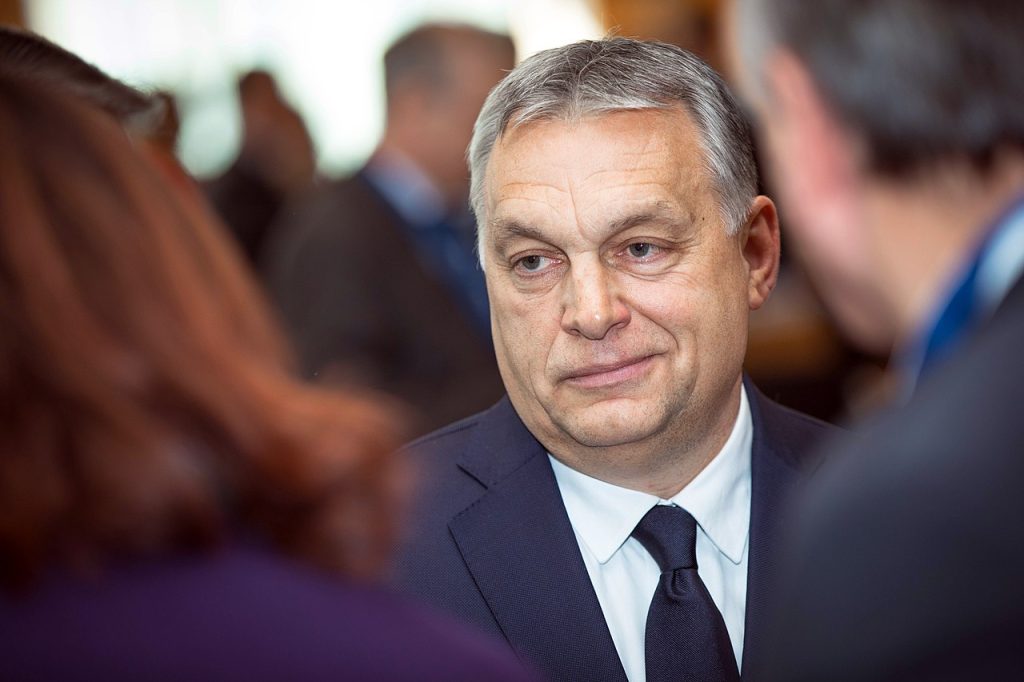
What kind of coexistence Viktor Orbán considers to be functional for Hungarian Jews and what is the reception of his politic on the Jewish side? János Gadó answers this question for K., providing an overview in which he discusses both the difficult issue of the memory of the Holocaust in Hungary, Orbán’s relationship with Israel, and the divisions that exist within Hungarian Jewry.