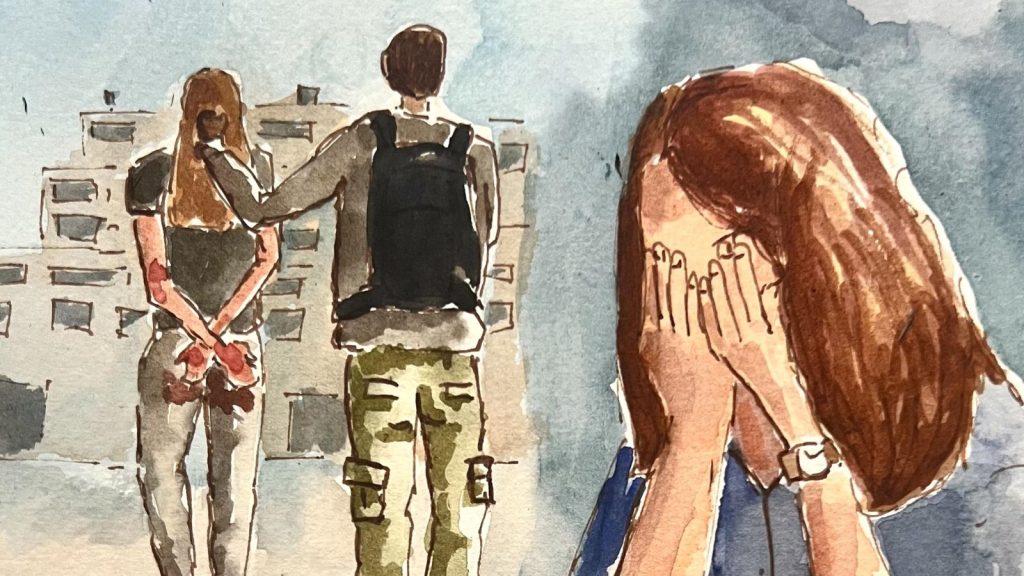
Feature: October 7. Three Years Later.
Three years after October 7, 2023, we are republishing twelve articles that originally appeared in K. Revisiting these analyses allows us to reflect on the questions raised by that event, but also to assess what the passage of time has helped us understand—and what remains unresolved. This special issue bears witness to the work undertaken by K. to rigorously examine a rupture whose ramifications continue to unfold and fracture our societies.
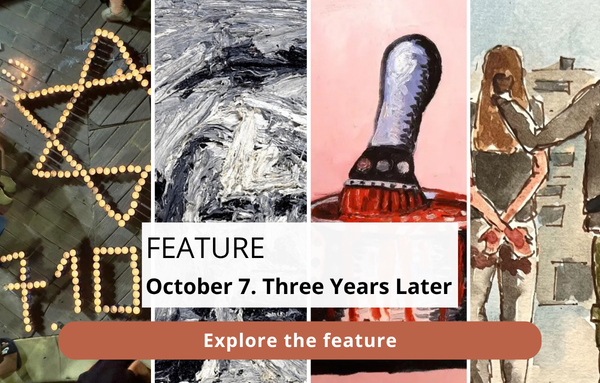
Jewish identity and anti-Jewism after October 7, 2023: World routines and ruptures
The aftermath of October 7 has profoundly reshaped Jewish identity and community practices, as well as how they are perceived by the rest of Western societies. In this article, demographer Sergio DellaPergola offers a general assessment of these changes from an Israeli perspective, highlighting what he believes are the major issues facing the future of the Jewish people.
>>>Read the text by Sergio DellaPergola
Published on 17 April 2025
Interview with Tal Bruttmann. Holocaust Historian facing October 7
What is the significance of this massive return to the history and memory of the Holocaust as a point of reference since the October 7 massacres, and what is the significance of the proliferation of the word “genocide” to condemn Israel’s war on Gaza? How should we understand speeches that claim that Israel is instrumentalizing the memory of the Holocaust to justify a war that is considered genocidal, echoing the trope that the victims have become the executioners? We asked Tal Bruttmann to shed some light on these questions.
>>>Read the interview conducted by Stépahne Bou
Published on 3 February 2024
After October 7: the Palestinian question and the Jewish question
Two months after 7 October, Bruno Karsenti describes the turning point that such an event represents for Israel and the Diaspora. An existential coordinate of the Jewish world has been shaken, and although the reaction of the Israeli people and their State was immediate and strong, what happened nonetheless calls for a fresh look at the constraints and duties weighing on the Jewish world in its entirety. This also means, and no doubt above all, looking at the Palestinian question differently from the way we have done up to now.
>>>Read the text by Bruno Karsenti
Published on 14 December 2023
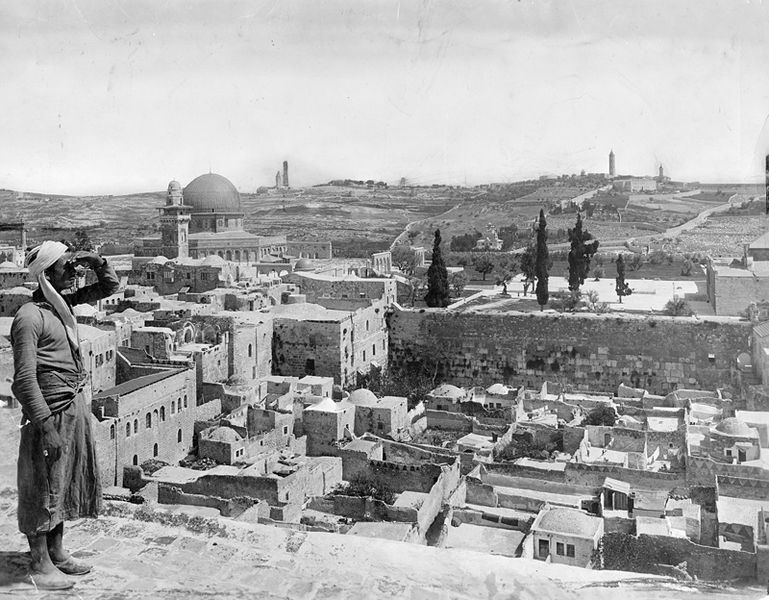
Understanding the “traumatic invalidation” experienced by Jews after October 7
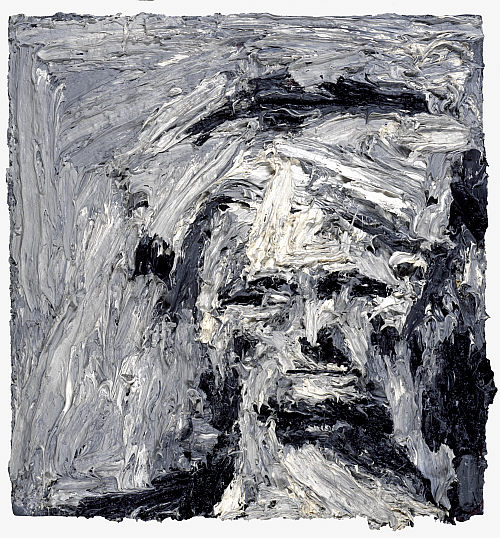
What is “traumatic invalidation”? According to psychologists Miri Bar-Halpern and Jaclyn Wolfman, it is a concept that could adequately describe the subjective effects of October 7 on the psyche of many Jews. Their important work is presented here by clinical psychologist Céline Masson.
>>>Read the text by Céline Masson
Published on 9 October 2025
Does antisemitism really exist? The historians’ row following October 7
Why do some historians of antisemitism absolutely reject any analogy between October 7 and historical anti-Jewish persecution? Matthew Bolton situates this debate, with its far-reaching political implications, on an epistemological level, explaining why “historicists” refuse to conceive of antisemitism as “eternal hatred”. In return, he exposes the flawed nature of their method, which ends up dissolving the very concept of antisemitism by obliterating its historical necessity.
>>>Read the text by Matthew Bolton
Published on 30 January 2025
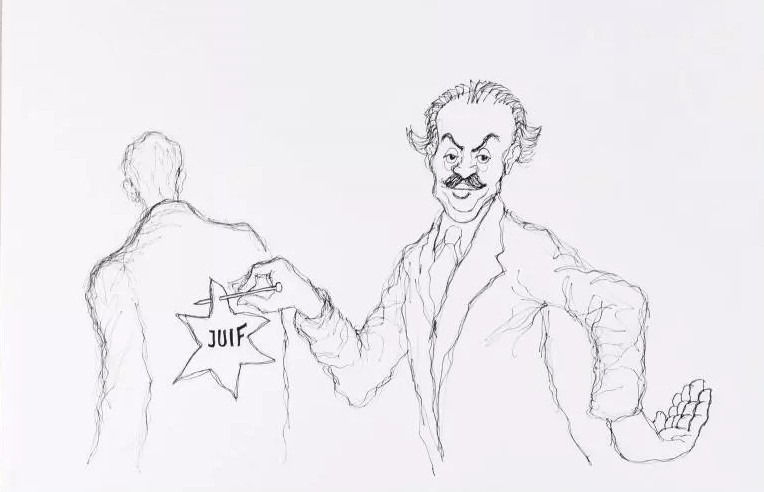
On the road from undifferentiation to indifference. On the mass rapes in Israel on October 7.
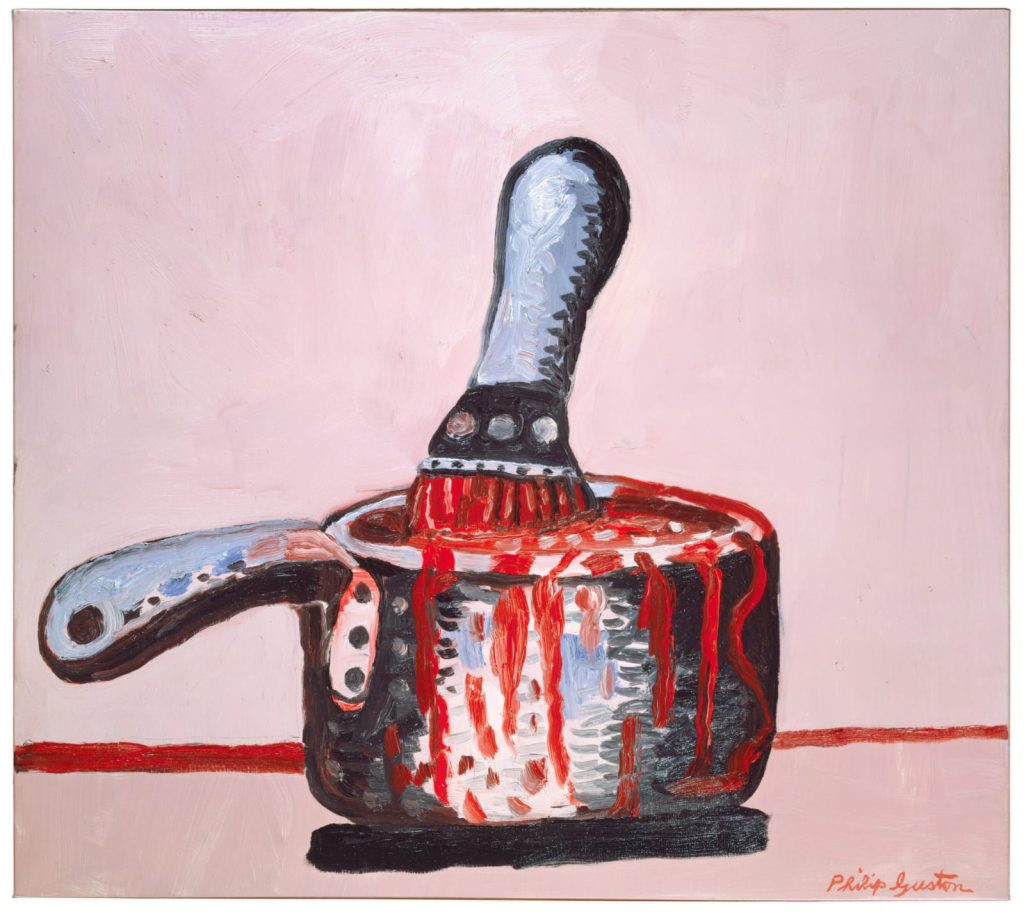
What can we say about the sexual crimes committed by Hamas men on October 7 – documented a little more each day by the work of an Israeli group of gynecologists, forensic doctors, psychologists and international lawyers? And how are we to understand the concealment of the violence against women on that day by part of world opinion – including supposed “feminists”? Doesn’t this concealment amount to inflicting violence on these women a second time, as if their ordeal didn’t count and was meaningless?
>>>Read the text by Julia Christ
Published on 1 December 2023
The October 7th pogrom as a non-event on the Western left
Since the 7th of October we are appalled by the continuous flow of reactions denouncing Israel and only Israel. We are especially appalled by those that come out of academic institutions, articulated by scholars and intellectuals. But should we be surprised and shocked? Was this response to the atrocities committed by Hamas, aided by their civilian Palestinian collaborators, not entirely predictable? Have not these same people, departments, student bodies, activists, etc. been saying the same thing for at least the last two decades? Of course, they have, and a number of them didn’t even hide their glee as the full story of the massacre, the sexual violence and the kidnapping emerged.
>>>Read the text by Balazs Berkovits
Published on 25 January 2024
Lamentation and relentlessness: Gaza with no end in sight

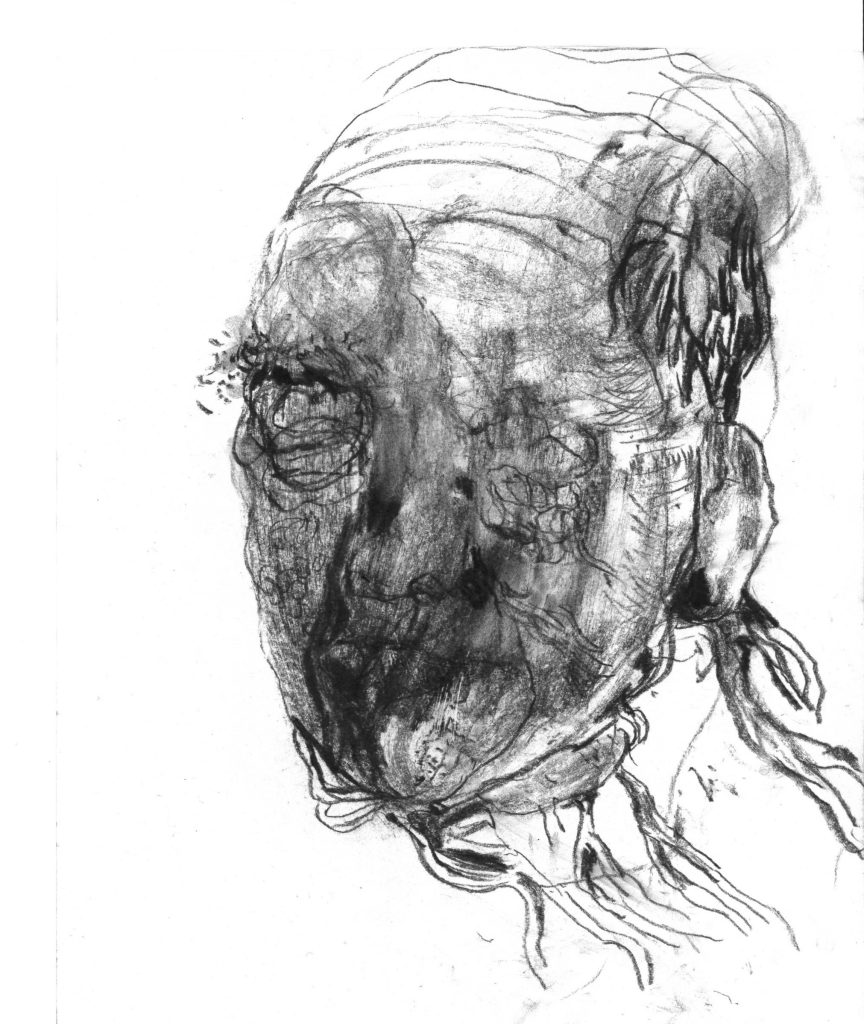
How can we explain Israel’s relentless pursuit of this seemingly endless war in Gaza? Danny Trom offers an analysis based on one symptom: the proliferation, since October 7, of kinot, poetic lamentations that are unique to the tradition of exile. Israeli lamentation is thus expressed in the language of exile and powerlessness, even though it now accompanies the war of a state through which Jews have acquired unprecedented power—and therefore a new responsibility. Danny Trom invites us to reflect on this internal tension within this paradox…
>>>Read the text by Danny Trom
Published on 4 September 2025
What is the Yiddish Orthodox press saying about October 7 and the war in Gaza?
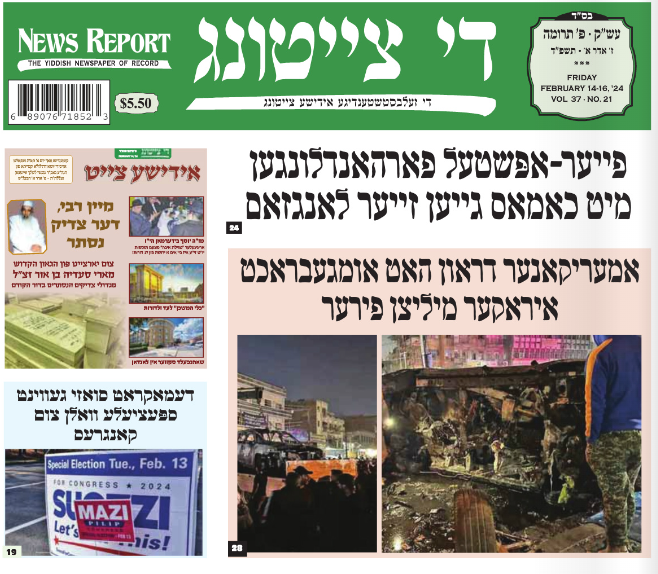
Since October 7, the enlistment of young Haredim, ultra-Orthodox Jews, in the Israeli army is no longer taboo. Several rabbis and heads of religious schools have even encouraged it in Israel, in a traditionally non-Zionist “black hat” world that differs from the religious Zionist universe. A significant part of the Hasidic movement, however, remains impervious to the chanting of the canon. The Satmar Hasidic movement, unknown in France but powerful in the United States, is even fiercely critical of the religious parties that support the war. To dive into their entirely Yiddish-speaking world, K. is presenting several long extracts from their newspapers.
>>>Read the text by Macha Fogel
Published on 4 April 2024
Being a Jewish student (since October 7)
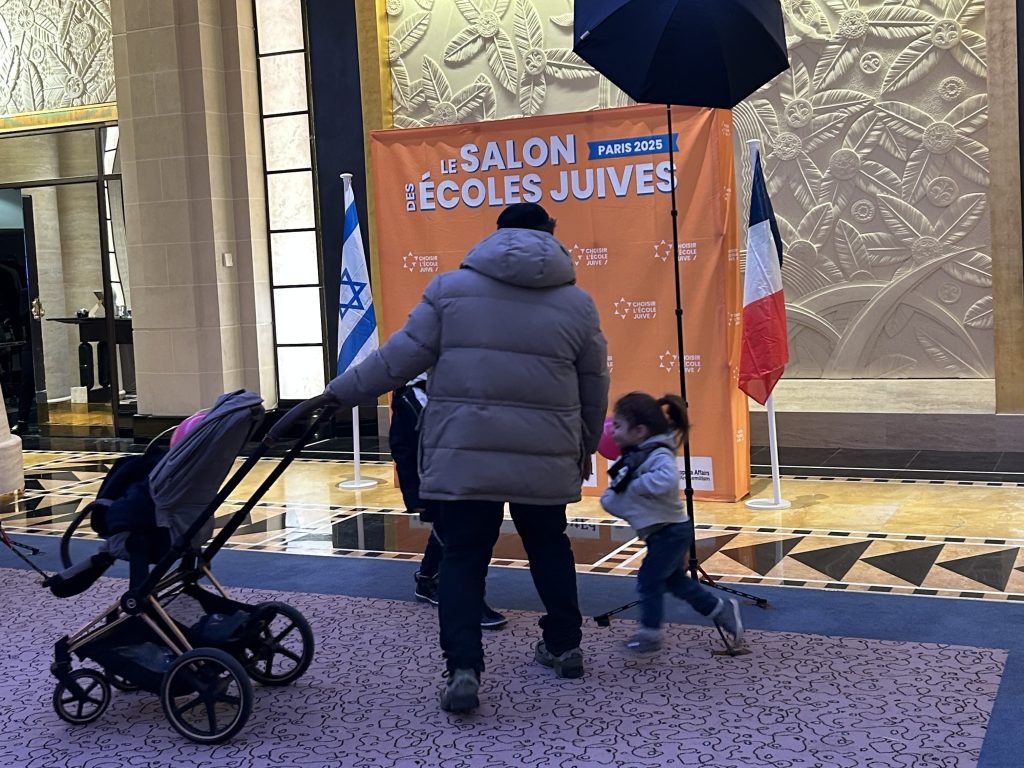
On Sunday, January 19, the sixth edition of the “Choosing a Jewish School” fair, launched in 2019 by Elodie Marciano, was held in Paris. In 2023, K. had already devoted an article to this event, which has shaken up the institutional world and has become an unmissable meeting place for the entire ecosystem of French Jewish education and youth. One year and three months after October 7, we decided to go back, curious and concerned about the effects of the current climate on the youngest. Between the stands of the youth movements and the large school complexes, the images of the hostage release were on a loop against a background of Am Israel Chai – let’s follow the guide!
>>>Read the text by Maëlle Partouche
Published on 20 March 2025
October 7: the visual fate of the hostages
The images of the crimes committed on October 7 provoked not only understandable shock, but also much debate: was it necessary to show the horror that Hamas terrorists sought to film and broadcast? Emmanuel Taïeb examines the fate of these images and the political uses to which they have been put, highlighting their reversibility and the risk of making them invisible.
>>>Read the text by Emmanuel Taïeb
Published on 16 January 2025